The Jump Blog Tour: CTG interviews Doug Johnstone about #TheJump

Unknown

Today I’m delighted to welcome author Doug Johnstone to the CTG blog as part of his blog tour marking the launch of his new thriller THE JUMP.

And so, to the questions …

Your latest book – THE JUMP – is out this month, can you tell us a bit about it?

The book is all about Ellie, a woman in her forties who is struggling after the suicide of her teenage son six months ago. Her son jumped off the Forth Road Bridge near their house in South Queensferry, and the story opens with her finding another teenage boy on the bridge about to jump. She sees a chance at redemption for what she thinks are her failings as a mother, but in reality she gets sucked into a whole new nightmare that threatens everyone around her.

I’ve been skirting around the issue of suicide for a long time in my writing, and this book feels like a culmination of that obsession. I wanted to write about the loss and lack of resolution for those left behind by suicide, how there are no easy answers, but I wanted to embed that in a thriller storyline. Hopefully The Jump manages to pull that off, but I guess readers will have to decide for themselves. Although Ellie does some terrible things, I think she’s the most sympathetic central character I’ve had in a book, and hopefully, if I’ve done my job, the reader will care about what happens to her and those around her.

How did you get into writing thrillers – what was it about the genre that attracted you?

I kind of fell into it really. My first two books were less obviously thriller-ish, though they were marketed as crime books by the publisher. I’ve always read thrillers and crime, in fact, I never really thought about the distinction between any genres of book when I was reading and then also when I first started writing. All good books have conflict at their core, and more often than not that involves criminal activity.

I suppose I write domestic noir, if you want to define it, thrillers about ordinary people like you or me getting sucked into horrible, extraordinary, tragic situations. Hopefully the reader then wonders what they would do in a similar situation. I’ve always been interested in how ordinary folk act under extreme pressure – we all like to think we’d do the ‘right’ thing, but morality is never black and white, and I have a lot of sympathy for people doing wrong things in seemingly impossible circumstances. So that’s what I write about.

Can you tell us a bit about your writing process – do you plot everything out first or dive right in?

I’m somewhere in between. I like to be pretty organized before I begin the first draft, but I don’t have everything nailed down in terms of plot. I usually have a pretty clear idea about the opening few scenes, and the same goes for the final few chapters, but I deliberately leave a little bit of a grey area in the middle to get to where I’m going to. So much of the story depends on the characters and how they react to the crap you’re throwing at them, you have to leave a little wriggle room there. Plot ultimately stems from character, so if I need to change ideas about what happens because of the way the book is progressing, then I’m happy to do that.

What advice would you give a writer aspiring to publication?

It’s kind of banal advice, but just keep at it. Getting published can feel like a war of attrition sometimes, like you’re banging your head against a brick wall, but you just have to keep plugging away at it. Keep reading all the time, even the rubbish books teach you something and act as inspiration to write better. And keep writing all the time, you get better and better at it without even noticing sometimes.

It’s good to be clued up about the industry, but writers should never try to chase whatever they think the next big trend is going to be. For one thing, that bandwagon will be long gone before you can get on it, but more importantly, you’ll be writing something that isn’t true to yourself. Write the story you want to read, write it as well as you can, and eventually, hopefully, people will notice. Don’t be disheartened!

And, finally, what does the rest of 2015 have in store for you?

I’m currently re-drafting the next novel, a kind of femme fatale thing set in Orkney that starts with a plane crash and gets nastier. I’ve still got a fair bit to do on that, so that’ll take me to the autumn, then I usually spend a month or two working on new ideas before I settle down to the next book. I have a few kicking around at the back of my mind, but I try not to think about it while I’m still working on something. Apart from that, two of my books are optioned for film and television, so hopefully there will be some movement there, and I also work part-time at Queen Margaret University as a literary fellow. Plus I’m looking after my two young kids, so plenty to be getting on with!

Massive thanks to Doug Johnson for stopping by to chat about his latest book THE JUMP and tell us about his writing process.

THE JUMP is out now. Here’s the blurb: “You can do anything, if you have nothing left to lose. Struggling to come to terms with the suicide of her teenage son, Ellie lives in the shadows of the Forth Road Bridge, lingering on its footpaths and swimming in the waters below. One day she talks down another suicidal teenager, Sam, and sees for herself a shot at redemption, the chance to atone for her son’s death. But even with the best intentions, she can’t foresee the situation she’s falling headlong into – a troubled family, with some very dark secrets of its own.”

To find out more about Doug Johnstone and his books hop on over to his website at www.dougjohnstone.wordpress.com/novels/ and be sure to follow him on Twitter @doug_johnstone

To look at THE JUMP on Amazon click on the book cover below:

http://

And be sure to check out these other fab stops on THE JUMP blog tour …

Jump_blog


#Untouchable Blog Tour: CTG interviews Ava Marsh

Untouchable-new-rondel

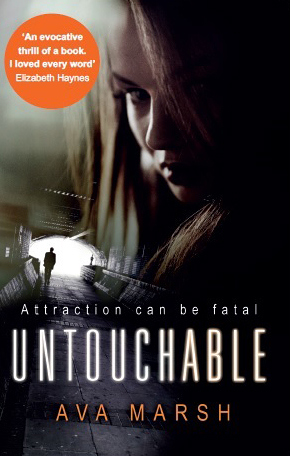
Today I’m thrilled to be hosting a stop on Ava Marsh’s UNTOUCHABLE blog tour, and interviewing the author herself. UNTOUCHABLE is a sizzling new crime thriller that’s published this month, and is one of my must-reads of the year.

So, to the interview …

Welcome, Ava. Your new book UNTOUCHABLE is out now, can you tell us a bit about it?

Certainly. It’s the story of Stella, an expensive London call girl, who stumbles into a top-level conspiracy when a friend and colleague is found murdered in a hotel room. Nothing about this death adds up for Stella, who finds she can’t leave it alone. But uncovering the truth comes at a high price, especially for a woman whose past refuses to stay buried.

How did you get the idea for the story?

Two things converged. One, I was interested in writing crime, and when the whole Fifty Shades thing broke out, it occurred to me that perhaps a slightly racier thriller might be a good way to go. But I was also curious about high-end sex work, as it seemed that call girls, who often ‘service’ the rich and powerful, enjoy a great deal of insight into those men’s private lives. Untouchable was born with the idea that such insight might include something impossible to ignore.

UNTOUCHABLE is a crime story set in the world of high-class escorts. How easy (or not) was it to do the research you needed?

Much easier than you’d imagine. Escorts working at this level have a lot of downtime – they might only have a few appointments a week – so a lot write or blog about their work. Most famously, Brooke Magnanti, otherwise known as Belle de Jour, though I deliberately avoided reading her novels, good as they are, for fear of unconscious plagiarism.

And yes, I know some people in the business. Intelligent, well-educated, professional women who decided to escort for all sorts of reasons. Obviously they had some interesting tales to tell.

What’s your writing process – do you plan first or jump right in?

I plan. I’d be too scared to embark on a complex thriller without having a pretty clear idea of where the story was going. That said, I leave plenty of room for inspiration or a change of heart.

Usually I’ll do a rough outline, and split that into chapters, working further on the plot until I have enough scenes to start writing. Then off I go, though there’s always a lot of swapping things around until I get a structure I’m happy with. And of course you get to do it all over again during publisher edits.

What advice would you give a writer aspiring to publication?

  1. Learn your craft. Writers are made rather than born, and there are dozens of ways you can learn how to write well and structure a novel – creative writing courses, books, online programmes, there’s a wealth of material out there to help you on your way.
  2. Grow a thick skin. You are going to face rejection a lot. Even when you find an agent, your book will be rejected on submission. Even when you secure a publisher, there’s still a thousand ways for that novel to be unloved – failing to garner online promotions or deals, getting shitty reviews, not being picked for prizes or festival slots. And so on and so on. Try not to be too downhearted when that first wave of ‘no’ hits you. Perseverance is everything in this game.
  3. Be nice. Be nice to other aspiring writers, be nice to published authors, be nice to the gatekeepers. Just be as nice as you can, given that writing is a difficult and often frustrating line of business. And by nice, I mean reciprocate. Make sure you’re bigging up others as well as yourself, and be grateful when they return the favour. Don’t make it all about you.

And finally, what does the rest of the year have in store for you?

Err… work. Further editing on my next book, Exposure, about a young porn star who ends up in prison for double murder. More promotional stuff. And my tax return is looming larger by the day. Oh, joy.

On the bright side, I’m brewing up an exciting new idea. Something I can’t wait to get stuck into, so that’s sustaining me through the grittier side of things.

And wine. I predict the rest of the year will involve some choice bottles of red.

Huge thanks for making the CTG blog the latest stop on her UNTOUCHABLE blog tour. To find out more about Ava pop over to her website at http://www.avamarsh.co.uk and be sure to follow her on Twitter @MsAvaMarsh

UNTOUCHABLE is out now. Here’s the blurb: “Stella is an escort, immersed in a world of desire, betrayal and secrets. It’s exactly where she wants to be. Stella used to be someone else: respectable, loved, safe. But one mistake changed all that.

When a fellow call girl is murdered, Stella has a choice: forget what she’s seen, or risk everything to get justice for her friend. In her line of work, she’s never far from the edge, but pursuing the truth could take her past the point of no return.

Nothing is off limits. Not for her – and not for them. But is anyone truly untouchable?”

To order it via Amazon click on the book cover below:

 http://


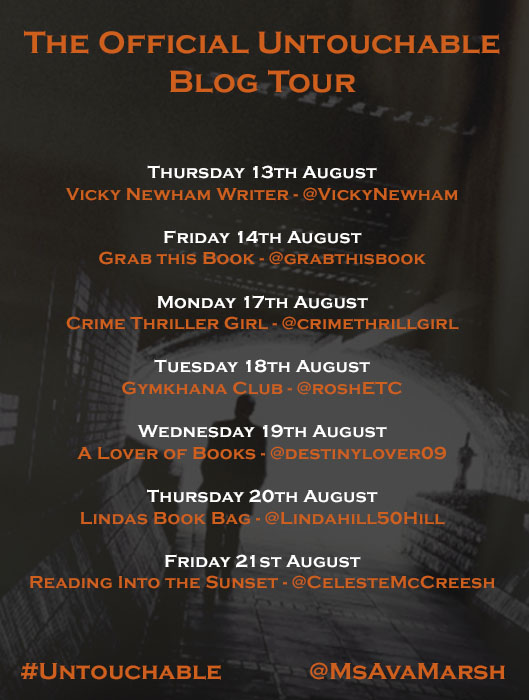
And be sure to check out the rest of the fabulous UNTOUCHABLE blog tour …

UntouchableBlogTour (2)


#BloodyBlogTour Day 9: CTG interviews Dr Kathryn Harkup – author of A IS FOR ARSENIC

IMG_2070

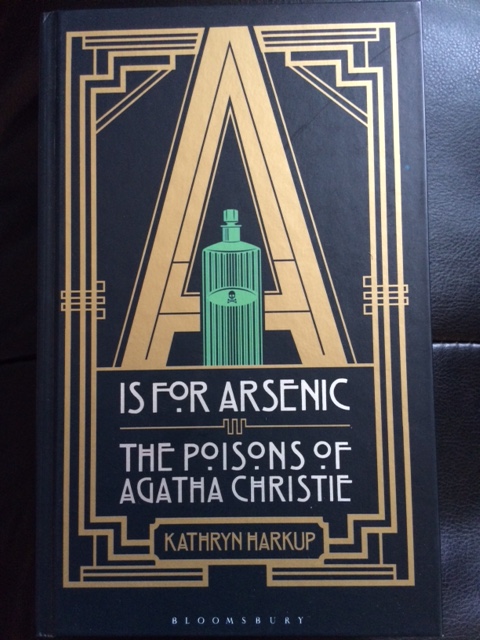
Today I’m thrilled to be part of the Bloody Scotland Crime Writing Festival #BloodyBlogTour and delighted to be welcoming the fabulous Dr Kathryn Harkup to the CTG blog. Kathryn’s background as an avid Agatha Christie reader, and chemist with a doctorate on her favourite chemicals – phosphines – plus loads of postdoc research, makes her perfectly placed to investigate just how much science fact went into the fiction of Agatha Christie’s novels. Her book A IS FOR ARSENIC: The Poisons of Agatha Christie does just that.

It’s a fascinating read, investigating fourteen of the poisons Christie used in her books and looking at the scientific reality behind the poisons, the feasibility of getting hold of them, administering them, and detecting them historically and in modern times, and comparing actual cases with the murders written in Christie’s books.

So, welcome Kathryn to the CTG blog. Let’s kick off with my first question …

The premise of A IS FOR ARSENIC – a book focused on fourteen of the poisons Agatha Christie used, and the novels she used them in – is so intriguing. What was it that first gave you the idea?

It came about from a discussion with my editor at Bloomsbury. At first I was going to base each chapter on a different Agatha Christie book, but as I started researching it I realised it would be better to base the chapters on the poisons and draw on several different books for each. As I worked on it, and chatted about what I was doing with friends, I got asked the question ‘are you ordering it alphabetically?’ I wasn’t at that point, but when they asked me it seemed a great idea.

You say in the book that you’ve been a Christie fan since you were a teenager. How did you decide which poisons to feature in A IS FOR ARSENIC?

Well, the ones everyone knows were easy to pick – like cyanide and barbiturates. Some poisons have the most fascinating histories, in the way they were used, or in medical terms, so I picked them too. The science is subtle in Christie’s work, but it’s all there, so I re-read all her books, made a list and revised down from there. The list of novels including arsenic and cyanide was huge, but including Sparkling Cyanide was an obvious must!

In the book, you show how each poison was used in Christie’s novels, and investigate the feasibility of its use both at the time the novel was written and in the present day. How did you go about researching this?

Lots of background reading! Scientific texts and Christie’s novels. My Google search history is amazing – I must be on all kinds of watch lists! The British Library was great, they answered all my many questions and were so helpful. Reading isn’t a chore when what you’re looking at is so interesting. I just wish I could have fitted in more [to the book]!

What was your favourite part of the writing process?

The reading and the research. I love learning new things so any opportunity to do so is fantastic. As the focus of A IS FOR ARSENIC is so specific I had a clear goal and could be really structured in now I did the research.

Have you been tempted to follow in Christie’s footsteps and write a novel?

No! I absolutely couldn’t. I’m in awe of people who do. Having read 83 of her books I’ve only once guessed the murderer! I’d be rubbish at writing fiction – I’m creative in some ways, but not in that. You could say that the focus of my work is very different to Christie’s – my aim is to illuminate how things are done, Christie’s was to disguise and cover.

If you had to pick one Christie novel, which would you say was your favourite?

For sheer fun it would have to be the ABC Murders, but there’s no poison in that. So, if you’re after a poisoning one, I’d pick Five Little Pigs as it’s so well plotted, with the poison symptoms threaded so brilliantly into the plot.

You and Christie share a passion for chemistry. Do you think that reading her books had any influence on your choice for career?

I’d like to say yes, but I doubt it did. It was the problem solving aspect of Christie’s books that I loved so much. And you could say it’s the problem solving, puzzle, aspects of science that interests me. In terms of the chemistry in her novels, I think it probably passed me by back then. Christie explains all the necessary information, but does it in a way that doesn’t make you feel like you’re having a science lesson.

Christie was a pioneer of her time, both in terms of her writing and also as a women working in a scientific profession. Still today there are far fewer female than male scientists; what do you think can be done to encourage women into science?

I think it’s great that there’s lots more popular science around now. It makes everyone more aware of science. When Christie was working and writing science was a lot more distant – it was mainly done by men who’d been to University – but now it’s more accessible. I would really encourage anyone – whatever background or gender they are from – who wants to do science to do so.

You’ll be appearing at the Bloody Scotland Crime Writing Festival in September. What can the audience look forward to hearing about during the event?

All sorts of disgusting stories about horrible poisons! It’ll be good fun. Christie has a great humour to her books. Also, as far as it’s possible, I’ll talk about the good things about poisons too. The main thing I want to do is to show how awesome Agatha Christie is and how great the science behind her books is too.

And, finally, what does the rest of the year have in store for you?

I’ll be very busy this autumn going all over the place talking about Agatha Christie and her poisons. I’ll also be doing more research and more writing. I have the best job!

Huge thanks to Dr Kathryn Harkup for spending time chatting to us about A IS FOR ARSENIC: The Poisons of Agatha Christie.

Kathryn is appearing at the Bloody Scotland Crime Writing Festival in Stirling on Saturday 12th September. To celebrate 125 years since the birth of Agatha Christie, Kathryn will be joined by novelist Ragnar Jonasson – an Agatha Christie expert who has translated fourteen of her books into Icelandic. Together they will offer unique insights into the work of the enduringly popular author who’s still an influence and inspiration to crime writers around the world today. To find out more and book tickets, hop on over to the Bloody Scotland website at www.bloodyscotland.com/event/the-poisons-of-agatha-christie/

And be sure to check out A IS FOR ARSENIC: The Poisons of Agatha Christie – it’s a fabulous read and a real must for fans of Agatha Christie, murder mysteries, and anyone who wants to learn more about the real life science behind the poisons used in fiction. The book is published on 10th September by Bloomsbury. To find out more and pre-order, click here to go to Amazon.

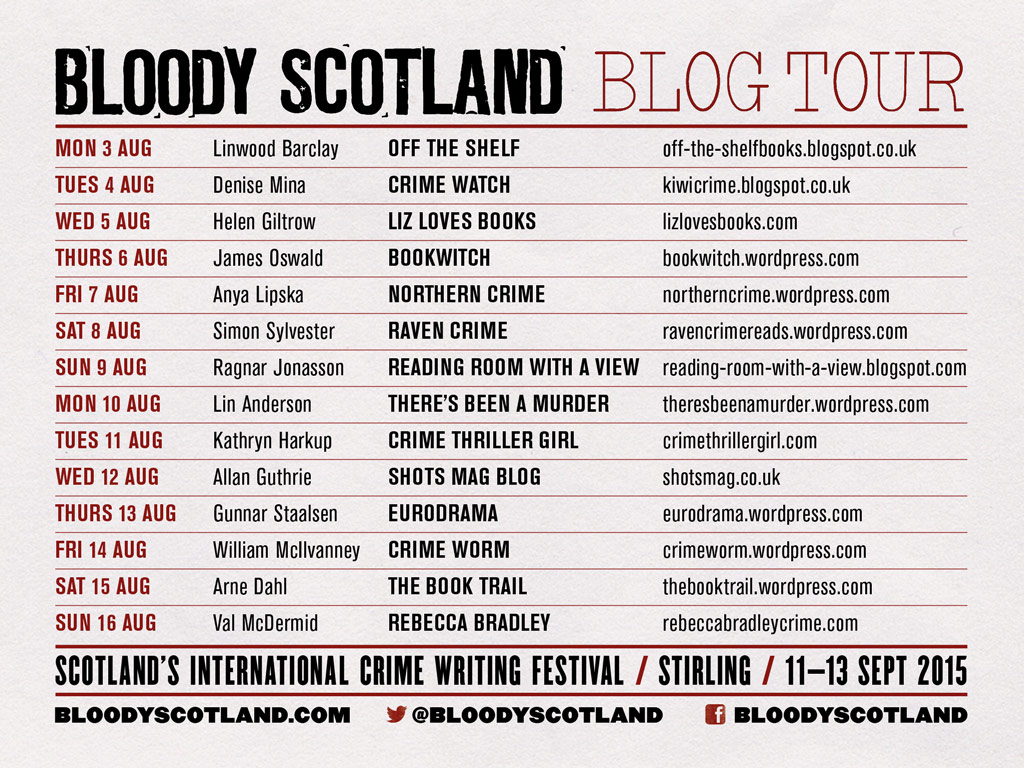
And don’t forget to check out the rest of the wonderful stops along the #BloodyBlogTour …

BLDYSCT15-Blog-Tour-1024px-A

CTG Interviews #NeilWhite for THE DOMINO KILLER Blog Tour

crime writer Neil White

crime writer Neil White

Today I’m delighted to be hosting the latest stop on best selling crime writer Neil White’s blog tour. Neil’s kindly agreed to let me grill him about his latest books and his writing process.

And so, to the questions …

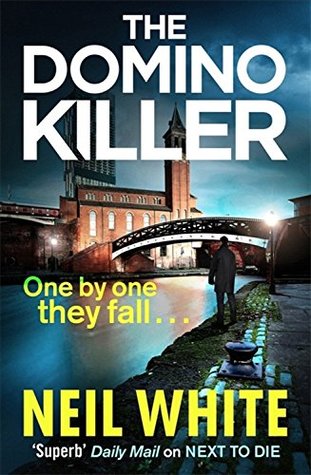
Your latest thriller – THE DOMINO KILLER – comes out this week, can you tell us a bit about it?

It’s the concluding book in the Parker brothers trilogy and deals partially with the running thread through the first two books, the murder of their sister many years earlier. As well as that, men are being murdered in Manchester, with a link between each one. The story starts with the murder of a man in a park, and it’s discovered that the dead man’s bloodied fingerprint was found on a knife near a body a few weeks earlier. What links them, and is there a connection with Sam and Joe’s murdered sister?

Your lead characters are brothers Joe Parker (a top criminal defence lawyer) and Sam Parker (a talented detective) – what gave you the idea for them?

It was really the notion of conflict, which I hit upon by accident when I was writing my first series involving a crime reporter and a detective who were also in a relationship. What seemed to work was that the reporter wanted to know about the cases his partner was involved in, and of course she wanted to keep him out of them.

When I realised I had to come up with a new idea, I stuck with the notion of two people who are close but have conflicting roles. Two brothers on the opposite side of the legal fence seemed to fit.

It fitted also with my own desire to make the books more legal.

I’d flirted with legal elements in the earlier books, but had always worried that I would become obsessed by making them so accurate that they ceased to be interesting; a day in court can occasionally be as mundane as any other job, punctuated by delays and often filled with so much routine.

When the drama does happen, however, it’s often pretty fun. I’m a prosecutor, and I’ve been shouted at and threatened, and at one point invited outside to “resolve matters”, and that’s just from the defence lawyers (yes, really, including the invitation to a street brawl). The criminals, on the whole, have been okay.

25643638

You’re a lawyer by day and a crime writer by night, what’s your secret to juggling these two roles?

I wish I knew it. I do what I have to do, and I don’t doubt that each job impacts negatively on the other through fatigue.

I’m not as good as I used to be after a day at work. I work just three days a week now, so I write off those nights, but I find it hard to believe that it isn’t that long since I was doing both full-time. I remember getting to the end of one of my books, I can’t remember which, and just said that was it, I was beat. I was shattered, a squeezed sponge. So I gave up a couple of days of work and now it feels more balanced.

The hardest thing is losing so much of my time. I never truly have a day off, and have taken my laptop on most of my family holidays.

What got you started writing crime fiction?

That is probably a two-part question.

What got me writing fiction? Because I always thought it was something I could do. That is just about as simple as it gets. It was something I was able to do well at school and seemed to stand me in good stead during university. I said even then that I wanted to be a writer, and at one point thought of giving up my law degree to switch to journalism, just because I thought putting words on a page was my strength.

So why crime? It’s because that’s what I read, and crime has always been my interest. As a student, I imagined myself in a courtroom, not a boardroom. I’m a criminal lawyer because I like crime. I write crime fiction because I like crime. Who couldn’t be interested in the extremes of human behaviour and emotion?

What’s your best writing moment so far?

Reaching number one in the ebook charts with my fifth book, Cold Kill. To go onto Amazon and see my book at the top of the pile on the homepage was unreal. It was something I couldn’t have imagined when I started out.

For those aspiring to publication, what advice would you give them?

That depends on what sort of publication.

If someone is aspiring towards traditional publishers, keep on plugging. If you’re good enough, someone somewhere will spot you.

If someone is wanting to self-publish through ebooks or print, engage an editor. I self-published in 2004, and it was the self-published book that got me an agent and eventually a publishing deal, but the one thing I hate about it is the failure to engage an editor. There are typos and grammatical howlers in it, and it would have been so much better for me to be proud of it still, but instead it’s the one I’m happy to see fade into history.

And, finally, what does the rest of the year have in store for you?

I’ve just signed a deal for three books with Bonnier, under their new imprint Zaffre, and it sounds like they have exciting things planned. It’s a move of publishers but that brings new challenges and new adventures. The first book should be out next summer; once I’ve written it, of course.

Fantastic! Thanks so much to Neil White for taking the time to come and chat to us on the CTG blog today.

19569558

Be sure to check out Neil’s latest thriller – THE DOMINO KILLER – which is out this week in hardback. Here’s the blurb: “When a man is found beaten to death in a local Manchester park, Detective Constable Sam Parker is one of the investigating officers. Sam swiftly identifies the victim, but what at first looks like an open and shut case quickly starts to unravel when he realizes that the victim’s fingerprints were found on a knife at another crime scene, a month earlier. Meanwhile, Sam’s brother, Joe – a criminal defence lawyer in the city – comes face to face with a man whose very presence sends shockwaves through his life. Joe must confront the demons of his past as he struggles to come to terms with the darkness that this man represents. Before long, Joe and Sam are in way over their heads, both sucked into a terrifying game of cat-and-mouse that threatens to change their lives for ever …”

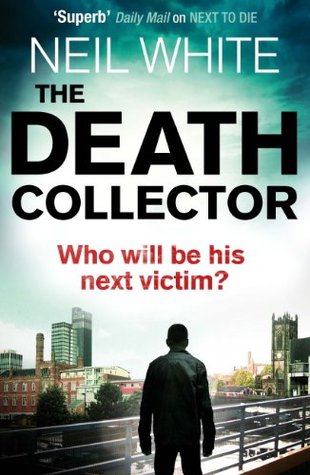
You can also now get your hands on THE DEATH COLLECTOR in paperback now (released last week). Here’s the blurb: “Danger sometimes comes in the most unexpected guises. The Death Collector is charming, sophisticated and intelligent, but he likes to dominate women, to make them give themselves to him completely; to surrender their dignity and their lives. He’s a collector of beautiful things, so once he traps them he’ll never let them go. Joe is drawn into the Death Collector’s world when he becomes involved in a supposed miscarriage of justice, and when the case becomes dangerous, Sam is the first person he turns to. In this gripping thriller, danger lurks for not only the Parker brothers, but also those closest to them.”

To find out more about Neil and his books hop on over to his website at www.neilwhite.net and follow him on Twitter @neilwhite1965


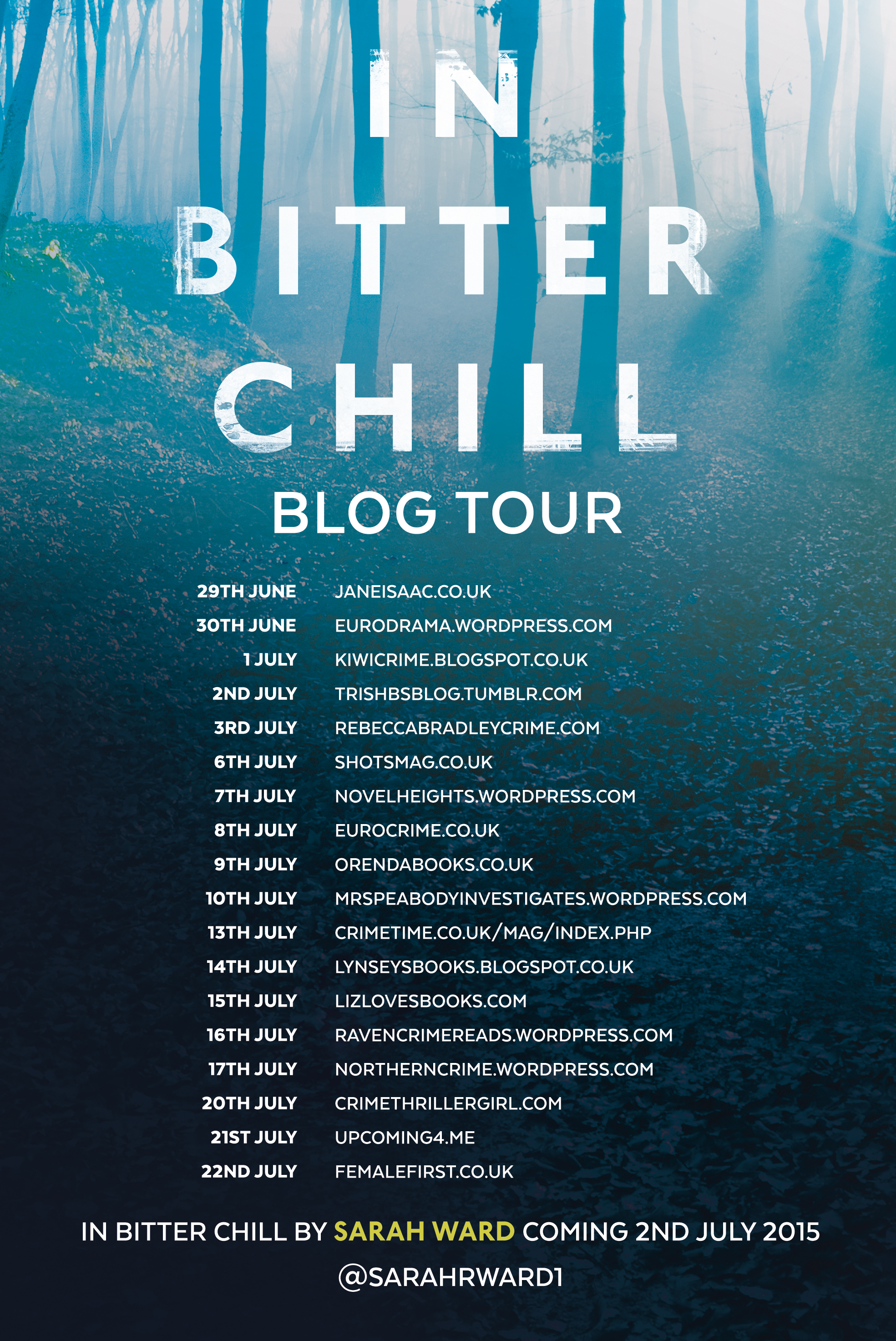
#InBitterChill Blog Tour: CTG Reviews In Bitter Chill by Sarah Ward

cover image

cover image

What the blurb says: “Bampton, Derbyshire, January 1978. Two girls go missing: Rachel Jones returns, Sophie Jenkins is never found. Thirty years later: Sophie Jenkins’s mother commits suicide.

Rachel Jones has tried to put the past behind her and move on with her life. But news of the suicide re-opens old wounds and Rachel realises that the only way she can have a future is to finally discover what really happened all those years ago.

This is a story about loss and family secrets, and how often the very darkest secrets are those that area closest to you.”

Out this month, Sarah Ward’s debut novel – In Bitter Chill – perfectly captures the hauntingly chilling atmosphere of the best Nordic Noir crime fiction, within a closer to home Derbyshire setting.

This intricate mystery follows Rachel Jones as she tries to piece together why Sophie Jenkins’s mother would commit suicide thirty years after the abduction. Now a professional genealogist, Rachel is no stranger to digging through public records to connect seemingly unrelated information and family histories. She starts putting her skills to use investigating the events around the time of Mrs Jenkins’s death, and in the process unravels a complex web of secrets and lies which have devastating consequences.

Meanwhile, DI Sadler, DS Palmer, and newbie DC Connie Childs are working the case too. As they wade through old case files from 1978 and the facts from Mrs Jenkins’s suicide, they are unable to find a connection. Then a woman is found murdered, and the mystery surrounding the cases deepens – someone is still guarding the secrets of the past, and they’ll kill to do so.

In Bitter Chill is a haunting debut. Beautifully written, with a complex and compelling mystery at its heart, it pulls you deep into the secretive community of Bampton from the first page to the last.

Highly recommended for fans of Nordic Noir and detective crime fiction.

To find out more about Sarah Ward hop on over to her website at www.crimepieces.com/ and follow her on Twitter @SarahWard1


[With thanks to Faber for my copy of In Bitter Chill]


And be sure to check out all the other fabulous stops on the blog tour …

In Bitter Chill blog tour

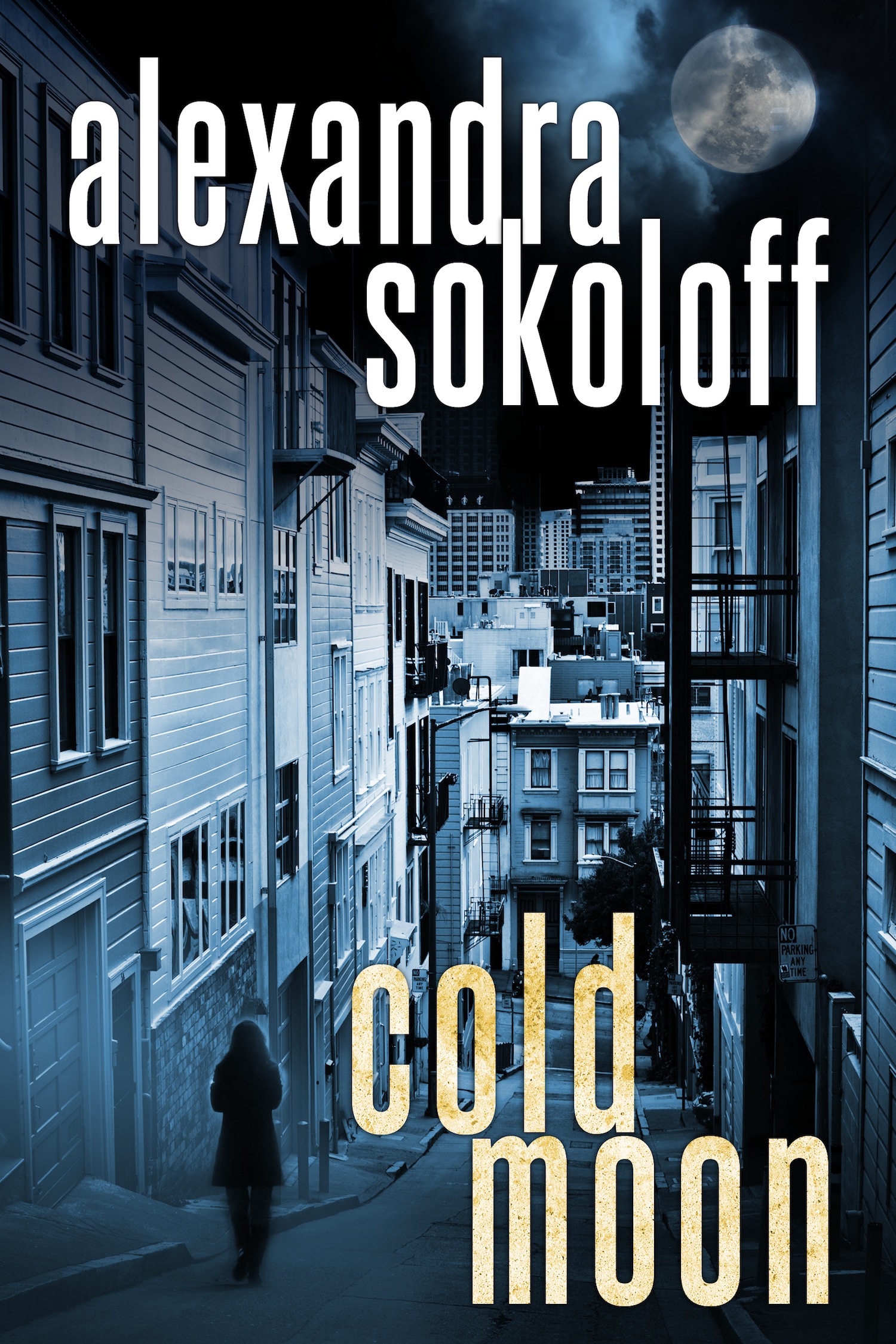
#ColdMoon Blog Tour: CTG interviews author Alexandra Sokoloff

Alexandra Sokoloff

Alexandra Sokoloff

Today I’m delighted to welcome author Alexandra Sokoloff to the CTG blog as part of her COLD MOON Blog Tour. Alexandra is the Thriller Award-winning, Bram Stoker and Anthony Award-nominated author of The Huntress FBI series. As a screenwriter she has sold original scripts and written novel adaptations for numerous Hollywood studios, and teaches the internationally acclaimed Screenwriting Tricks for Authors workshops. 

And so, to the interview …

Your latest book in the Huntress Moon series – COLD MOON – is out this month, can you tell us a bit about it?

Cold Moon is the third in the Huntress series, and I highly recommend that new readers start with Book 1, Huntress Moon, because the action is continuous, really a binge read! – more like a serial than a series. The books are intense psychological suspense, and take the reader on an interstate manhunt with a haunted FBI agent, on the track of what he thinks may be that most rare of killers: a female serial. But here’s the thing. Arguably there’s never been any such thing as a female serial killer in real life. The women that the media holds up as serial killers actually operate from a completely different psychology from the men who commit what the FBI calls sexual homicide. I wanted to use that psychological fact to turn the cliché of the serial killer novel and the tired trope of “woman as victim” completely inside out. Whoever she is, whatever she is, the Huntress is like no killer Agent Roarke – or the reader – has ever seen before. And you may find yourself as conflicted about her as Roarke is.

How did you get into writing thrillers – what was it about the genre that attracted you?

I have to admit, I love a good adrenaline rush in a book (in fact I pretty much require them, repeatedly!). And I’ve always had a dark turn of mind – I’ve always read and watched and written a lot of psychological horror, too. But a good thriller is so much more than that. I agree with Val McDermid that crime novels are the best way to explore the deep issues of society. I’m very passionately political, and I have a lot of social outrage built up from years working with abused and incarcerated kids in the California prison system. I learned a lot about what seem to me to be clear-cut issues of good and evil. And thrillers are a great vehicle to explore the roots of evil in a very emotional, visceral way. As long as you’re delivering great suspense, you can ask the hard questions – in the context of such a exciting story that people don’t even realize what you’re doing until they’re too hooked to put the book down!

Can you tell us a bit about your writing process – do you plot everything out first or dive right in?

I’m a total plotter. I use index cards and a three-act, eight-sequence story structure grid to start brainstorming a plot. I was a screenwriter for ten years before I wrote my first novel, and the index card method is a very common plotting technique in Hollywood because you have to come up with full story ideas so quickly, sometimes literally overnight.

trifold_story_board

But it’s also the fastest and deepest way I know to outline a novel, and a lifesaver if you’re writing thrillers with lots of subplots. I teach the method in my story structure workshops, on my blog (http://www.screenwritingtricks.com/) and in the two Screenwriting Tricks for Authors workbooks that I’ve written, and I definitely practice what I preach!

What advice would you give a writer aspiring to publication?

How much time do we have? J The best and truest advice I’ve ever heard about becoming a writer was from Willam Saroyan: “Find a small room in a big city and put your desk in front of the window and sit down in front of the blank page. And when you stand up ten years later, you will be a writer.”

The trick, of course, is that you have to STAY in the chair. For ten years. That’s not usually what people want to hear. What people want to hear is more like this: Find a system. Read a lot of books on writing, take a lot of classes, and when you find a writing system that makes sense to you, follow it. And then expand on that. There are some very, very good teachers out there, and some not so good, but you have to decide for yourself who is the best teacher for you at a certain time.

And of course everyone is welcome and encouraged to check out my Screenwriting Tricks for Authors blog, which I have been told is a gold mine of information for free.

Lastly, I have to say – Read everything you can about the options in indie publishing as well as traditional routes to publication. I think the rise of indie publishing is best thing that’s ever happened for writers. It means that if an author is willing to work hard, they have unprecedented access to distribution, and can cut out the often crippling middleman of traditional publishing. It’s devastating to authors how much traditional publishers charge for e books. Indie publishing allows you to control your own prices. I’m both traditionally published and indie published, and that diversity has made for a much larger readership and much more stable living for me. Make sure you know the options before you sign a contract!

COLD MOON cover image

COLD MOON cover image

And, finally, what does the rest of 2015 have in store for you?

So much! Of course I’m working on the fourth book in the Huntress Moon series.

I’m also starting a new, dark crime series set half in Scotland and half in Los Angeles – I live with the Scottish noir author Craig Robertson, so I have someone to vet the Scottish parts!

In August the textbook version of my writing workbooks will be coming out – Screenwriting Tricks for Authors: Stealing Hollywood. I’ve doubled the material from the ebooks, and this version will have ten full story breakdowns. The e workbooks are being used in college film classes and it’s about time I had a full print textbook version available!

And I’m very excited to be working with a writer/producer I love and have worked with before to develop the Huntress series into a TV series. I am sick to death of the misogyny in crime series like True Detective. But I also think there is some absolutely brilliant television being made these days, on HBO and Showtime and FX, and I would so love to see a series that gives equal time and depth to female characters and deals with crimes against women and children as the evil they are. We couldn’t have made this happen just ten years ago, but I think finally, finally, it’s time.

Huge thanks to Alexandra Sokoloff for stopping by to answer our questions today. I can thoroughly recommend her excellent Screenwriting Tricks for Authors blog and books – they’re packed with great tips.

Be sure to check out Cold Moon (you can read my review here) and the rest of The Huntress FBI series at

Amazon US http://amzn.to/1z3pSh5
Amazon UK http://amzn.to/1wEwxZo
Amazon AU http://www.amazon.com.au/Huntress-Moon-FBI-Thrillers-Book-ebook/dp/B00NKTTDH4

And find out more about Alexandra and her books on her website at www.alexandrasokoloff.com and her amazing blog www.screenwritingtricks.com

You can also catch her on Facebook at www.facebook.com/alexandra.sokoloff and follow her on Twitter @AlexSokoloff

Also, don’t forget to check out all these great stops on the tour …

Cold Moon Blog Tour Poster

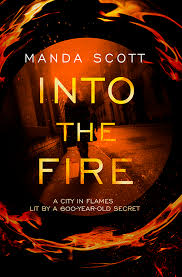
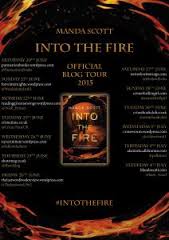
The INTO THE FIRE blog tour: CTG interviews Manda Scott – plus a fab #IntoTheFireComp

INTO THE FIRE cover image

INTO THE FIRE cover image

Today I’m delighted to welcome author Manda Scott to the CTG blog as part of the INTO THE FIRE blog tour. Manda is the author of four critically acclaimed novels about Boudica and, writing as MC Scott, four novels set in Ancient Rome featuring assassin and spy Sebastos Pantera. She is founder and Chair of the Historical Writer’s Association, the Historical Publishers’ Group, Chair of the HWA Debut Crown and of the programming panel for the Harrogate History Festival.

So, to the interview …

Your latest book INTO THE FIRE is out in hardback this month, can you tell us a bit about it?

It’s a dual time line thriller – the contemporary thread is set in 2014 and there’s a historical thread in 1429, when a young girl, who claimed to be a peasant, turned up at Chinon and told the king she had been sent to free France from English rule (I paraphrase, but that was the gist).

In 2014, Inès Picaut is a police chief in Orléans, called to the site of a fire at a hotel, that is clearly arson. It’s the third such fire in as many weeks, but the first in which there is a body – and so she is now leading a murder hunt. The dead man in this case has been burned beyond recognition, but for the fact that he swallowed a USB drive before he died, and it contains three enciphered files which may help Picaut and her team to identify him – a task which becomes ever more pressing as further fires erupt, and more people die.  

In 1429, Tod Rustbeard, a man of French and English nationality, fights on the English side as the self-styled Maid of Orléans breaks the siege of Orléans. As the English defences crumble, he is sent behind enemy lines with an explicit task: to find the truth behind this girl who cannot be what she says she is – and then to use that truth to destroy her.  As he grows ever closer to his quarry, he has to question not only her identity, but his own. 

The two timelines weave together, each informing the other, so that the central question WHO WAS SHE? drives both forward.  I am absolutely convinced that she wasn’t an illiterate peasant girl, but we can talk about that more in the next question.   Beyond that, any good thriller is driven by a mix of anticipation and uncertainty, and each thread has to have its own threats, rhythms, internal questions that make the two together greater than the sum of their parts.

What was it that sparked your idea for writing INTO THE FIRE?

I’d always had an interest in Joan of Arc’s reputation as a woman warrior – having written about Boudica, it at least made sense to take a look at  the next most famous woman warrior – but I always got stuck on the notion that she was a peasant girl who turned up out of nowhere, got on a warhorse and led the troops into battle. Either she was a cipher, a flag-carrier and nothing more… or she had to be trained. If she was the former, I wasn’t interested. If she was the latter, I couldn’t see how it was possible.  Then I read an article that pointed me in the direction of who she could have been and the more I read about it, the more sense it made – until in the end, it seemed to me she couldn’t have been anyone else.  The question of why she had to spin her own lies in the beginning also makes so much more sense once everything falls into place.

Then I learned that the man who proposed this theory first was thrown out of France and even now, is immensely bitter about it – and it seemed to me that this, the current way of looking at her, was the most important.  She has been mis-represented for 600 years, and even now, she’s being held up as an icon of ‘perfect womanhood’ (virginal, godly, republican) by the far right in France.  So iI really wanted to explore how the political movements of the twenty first century hijack the myths of the past – and how they’ll kill to keep that myth intact. I believe absolutely in the maxim of ‘show, don’t tell’ in writing, so that meant that if I wanted to do what I thought was possible, it had to be through the vehicle of a dual time line narrative – that I had to *show* who she was in the past, in order for us to understand more deeply the projections and patho-mythologies of the present..  It’s a lot harder to write, but if the author gets it right, it’s immensely satisfying to read.

How would you describe your writing process – do you plot the story out in advance or jump right in and see where it takes you?

I never plot in advance, although if there is a historical thread to the book, then I need to make sure I know the history of who was where, doing what and when – and that I have all the ancillary data correct: the things that bring history alive. But for me to write a book, it needs to live inside me, which means the characters have to have their own freedom and they have to have the power to surprise me. I’d grow bored otherwise, and if I’m bored, then the reader is going to be bored too…

INTO THE FIRE features both an investigation taking place in present day Orleans and a historical timeline featuring Joan of Arc in 1429 – how did you go about researching them?

First, I got on the EuroStar and went to Orléans – that was really key to understanding the dynamics of both past and present.  In anything I write, the characters matter most, their identities and inner integrities and the charisma of the situation, but always, the place shapes its people and Orléans was key to both threads.  Having been there, I spent a very large amount of time reading everything I could about Joan of Arc (and there’s a lot), particularly the transcripts of the two trials – her trial by the English and the ‘rehabilitation trial’ by the French 30 years later that endeavoured to prove she wasn’t really a heretic after all – eye witness statements at the latter were crucial to understanding what actually happened, although of course we have to remember that human memory is flawed and undoubtedly coloured by time.  But still, having got my head around her, the modern day narrative of Picaut and Patrice, her computeroid cyber-brain assistant was fast and furious and most of it just rolled out almost unaided. I’m very wary of people who say that books write themselves, because they never do, but some are less effort than others and this bit flowed particularly sweetly – I revelled in the cyber-crime aspects, and the breaking of ciphers.  I’d written a series of spy thrillers just before and the cadences of that were still working their way through.

What was it that first attracted you to writing crime fiction?

I read Val McDermid’s Lyndsey Gordon series back in the 90s and fell in love with the genre. I wrote HEN’S TEETH in the late 90s because I thought I needed the exigencies of plot to help me complete a novel and then I joined the CWA and learned the actual rules of crime writing, as opposed to the ones I had invented for myself, and found that it was a fascinating structure within which to explore the things that matter most to people – I hate the kinds of novels that look at our masks. I am most interested in what happens when we drop those masks and we do so in the presence of death and danger – so crime writing, and thriller writing in particular – is the obvious medium. I consider my historical novels to be thrillers too, they’re just written in a different milieu.

For those writers aspiring to publication, what advice would you give?

I’d say what Fay Weldon said to me on my first writing course, which was ‘Find your own voice’, and then what Terry Pratchett (one of the greats, so sadly missed) said on the second writing course which was, ‘just keep writing.’  And then last, from me: Read.  Read everything.  Read books you love and books you loathe and books you don’t really care about – and work out what you love and why you love it and how it was done, and what the good bits are and what works and what doesn’t.  Reading is the apprenticeship for writing so read and read and read.

And, finally, what does the rest of the year have in store for you?

I’m 3/4 of the way through a sort-of sequel to INTO THE FIRE called ACCIDENTAL GODS so I have to finish that, and then we seem to be about to sell the TV rights to Into the Fire and the company wants me to write the screenplay which is both an enormous honour and an enormous privilege, so I’ll crack on with that.   I’ll be at Theakston’s Old Peculiar Crime Writing Festival in July in Harrogate and then back up again for the History Festival in October. I’m Chair of that for the third and final time this year and so it’ll be all-out to make it the best yet.  I’m handing over Chair of the Historical Writers’ Association to the brilliant historical crime writer Imogen Robertson also in October and Andrew Taylor, multiple winner of the Historical Dagger will take over Chair of the HWA Debut Crown, so between now and October, I’ll be flat out, but I’ll have a rest in November. Perhaps.  I suspect something else will have come up by then.

A massive thank you to Manda Scott for talking to us today on the CTG blog.

To find out more about Manda and her books hop on over to her website at www.mandascott.co.uk and be sure to follow her on Twitter @hare_wood


*** COMPETITION ALERT ***

 I’m thrilled that those lovely folks at Bantam Press have given me a copy of INTO THE FIRE to giveaway to one lucky winner! To be in with a chance to win all you need to do is tweet the link to this post (using the Twitter button below) OR retweet one of the CTG tweets about the giveaway – making sure to include the hashtag #IntoTheFireComp. You’ll also need to follow us on Twitter so we can send you a direct message should you win.

Rules: (1) One entry per reader (2) UK residents only – due to postage costs – sorry! (3) We will draw the winner at random (4) No cash alternative (5) The competition closes for entries at 9pm GMT on Monday 29th June 2015 (6) The judge’s decision is final and no correspondence will be entered into.


Also, make sure you check out all the other fabulous stops along the INTO THE FIRE blog tour …

Unknown

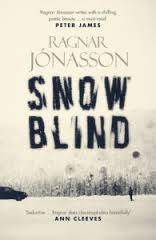
The #Snowblind Blog Tour: CTG reviews Snowblind by Ragnar Jónasson

Snowblind cover image

Snowblind cover image

I’ve been raving about this book for a while now and so I’m really thrilled to be a part of the Snowblind blog tour. Written by Ragnar Jónasson, Snowblind is published by fabulous new publisher Orenda Books and translated from Icelandic by crime writer Quentin Bates.

What the blurb says: “Siglufjörđur: an idyllically quiet fishing village in Northern Iceland, where no one locks their doors – accessible only via a small mountain tunnel. Ari Thór Arason: a rookie policeman on his first posting, far from his girlfriend in Reykjavik – with a past that he’s unable to leave behind. When a young woman is found lying half-naked in the snow, bleeding and unconscious, and a highly esteemed, elderly writer falls to his death in the local theatre, Ari is dragged straight into the heart of a community where he can trust no one, and secrets and lies are a way of life. An avalanche and unremitting snowstorms close the mountain pass, and the 24-hour darkness threatens to push Ari over the edge, as curtains begin to twitch, and his investigation becomes increasingly complex, chilling and personal. Past plays tag with the present and the claustrophobic tension mounts, while Ari is thrust ever deeper into his own darkness – blinded by the snow, and with a killer on the loose.”

Ari Thór Arason relocates to the remote costal village of Siglufjörđur to take up his first job in the police. He’s thorough and tenacious, keen to learn and enthusiastic to do a good job in a community where no one locks their doors and the crime rate is virtually zero – until now. When the seemingly accidental death of an elderly writer is followed by what seems to be a vicious attack on a young woman the community is thrown into chaos – is a killer among them? And how, in a place where everyone knows everyone’s business, can there be no witnesses?

Distanced from his girlfriend, Kristín, both by the geography and the unspoken upset each feels with the other from their reaction to Ari’s job move, Ari feels increasingly alone. Tómas, his boss, is one person who helps him feel more part of the community, but it is Ugla – living now in Siglufjörđur as a self imposed exile for a tragedy in her past – who he connects with most. Before long it’s a relationship that starts to create complications of its own.

Determined to get to the truth, Ari presses for answers, and as he does Siglufjörđur is covered in ever deepening snow – becoming cut off from the rest of the country and trapping the inhabitants together. As darkness descends, and Ari takes increasing risks to lure out the killer, the claustrophobic suspense ramps up to the max.

Snowblind uses its stunningly beautiful yet brutally remote setting to create a chilling, atmospheric locked room mystery. It’s a fantastic read with great writing, engaging characters and an expertly crafted plot filled with twists, turns and slight of hand.

Ragnar Jónasson is an outstanding new voice in Nordic Noir, and I’m really looking forward to the next in the series – Nightblind – that’s out next year.

Highly recommended.


To find out more about Ragnar Jónasson visit www.orendabooks.co.uk/book/snow-blind

You can follow him on Twitter @ragnarjo and his publisher @OrendaBooks and translator Quentin Bates @graskeggur

Find out about Quentin Bates’ experiences of translating Snowblind from Icelandic in his guest post here

And get a glimpse at the Snowblind book launch here

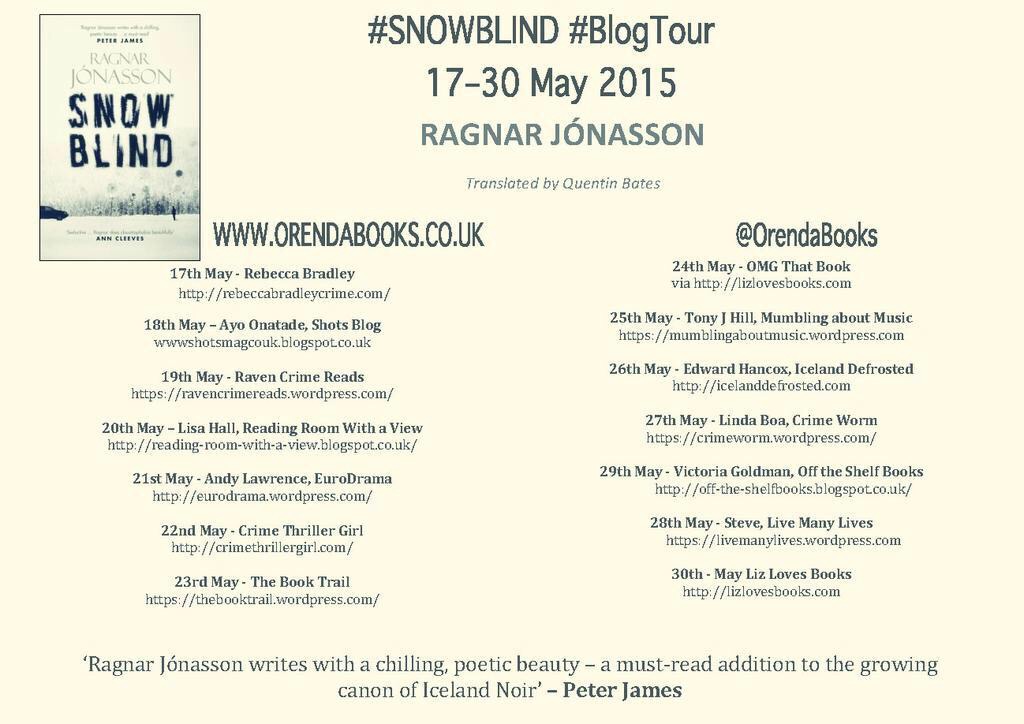
Also, be sure to check out all the great tour stops on the Snowblind Blog Tour …

IMG_0037

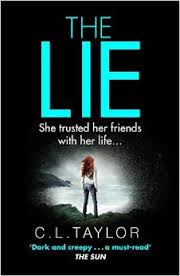
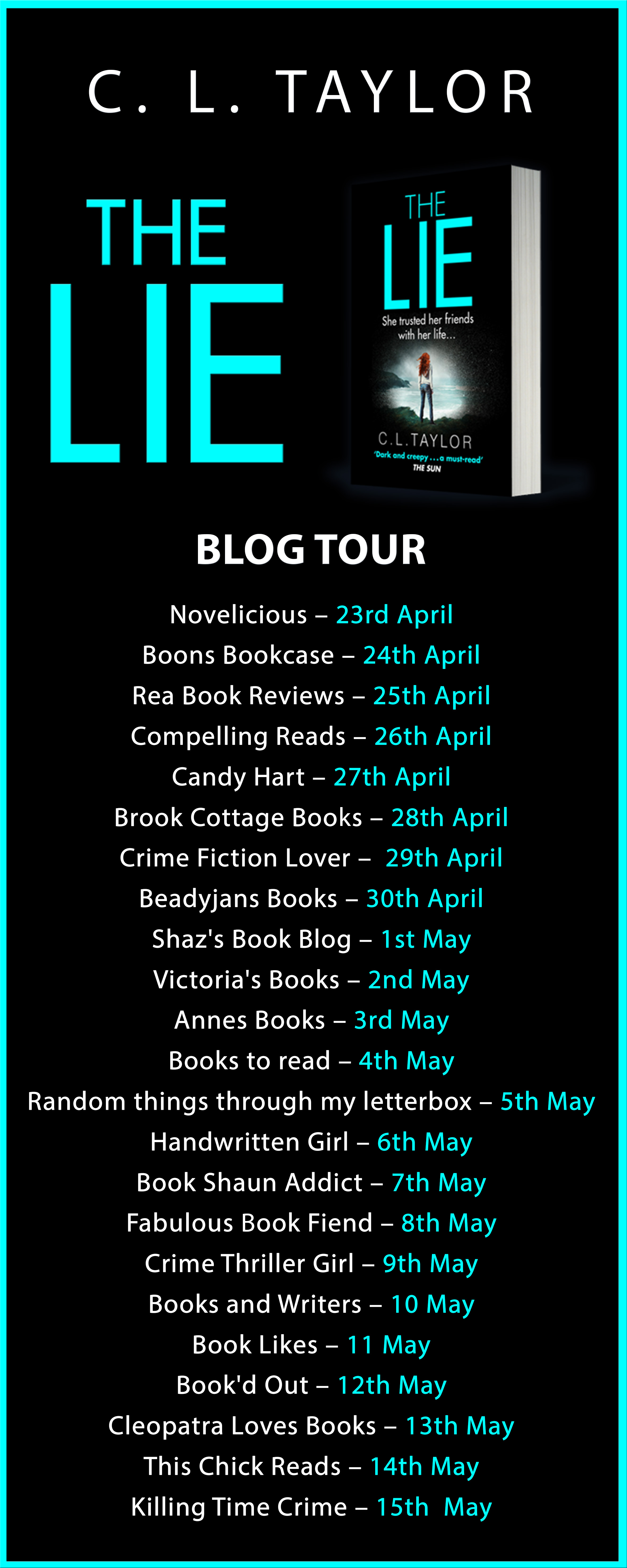
#TheLie Blog Tour: CTG reviews The Lie by C.L. Taylor

The Lie cover image

The Lie cover image

I’m delighted to be part of the #TheLie Blog Tour, and for the tour stop today I’m posting my review of this fabulous psychological thriller …

What the blurb says: “Jane Hughes has a loving partner, a job in an animal sanctuary and a tiny cottage in rural Wales. She’s happier than she’s ever been but her life is a lie. Jane Hughes does not really exist. Five years earlier Jane and her then best friends went on holiday but what should have been the trip of a lifetime rapidly descended into a nightmare that claimed the lives of two of the women. Jane has tried to put the past behind her but someone knows the truth about what happened. Someone who won’t stop until they’ve destroyed Jane and everything she loves . . .”

How well do we really know our friends, and how strong are those bonds when they’re tested to the limit? These are two of the questions C.L. Taylor’s latest psychological thriller prompts the reader to think about as they follow the dual storyline narratives of The Lie to their explosive conclusion.

The story pulls you in straight away, and the flowing narrative holds you captive until the final page has been turned. It’s a story packed with tension, twists and turns, immersing you into Jane’s world and feeling the fear inside her building as she’s contacted by someone who can’t possibly be alive. Or can they?

Deeply unsettled, Jane relives the horror of the past through a series of flashback chapters which transport her (and the reader) back in time to the ‘trip of a lifetime’ she took with her then best friends – Daisy, Leanne and Al – to Nepal. As they travel from their hotel to a remote retreat in the mountains it soon becomes clear that the ripples of tension and jealousy within the group are rising, and it’s not long before the friendships start to unravel with devastating consequences. As the creepy, shocking truth (and serious danger they’re in) becomes more apparent in the Nepal timeline, the threat level in the present escalates to a critical level.

I can’t really say much more about the story without giving away some of the excellent twists, but what I will say is that C.L. Taylor has brilliantly captured the complex and changing dynamics between the four young women on their adventure turned nightmare, bringing them to life in a wholly believable (and therefore very scary!) way. Jane is a wonderfully complicated character – she’s passionate about her job at the animal sanctuary and determined and bold in dealing with the difficult characters she encounters, yet claustrophobic and terrified into panic when a trigger to a memory from the past is pressed. She’s a character that I found myself really caring about and rooting for.

High drama and high stakes, this is a real pulse-pounder of a psychological thriller and a must-read for 2015.

Highly recommended.


You can find out more about C.L. Taylor and her books at www.cltaylorauthor.com and follow her on Twitter @callytaylor

And be sure to check out all the other #TheLie blog tour stops …

BlogTour


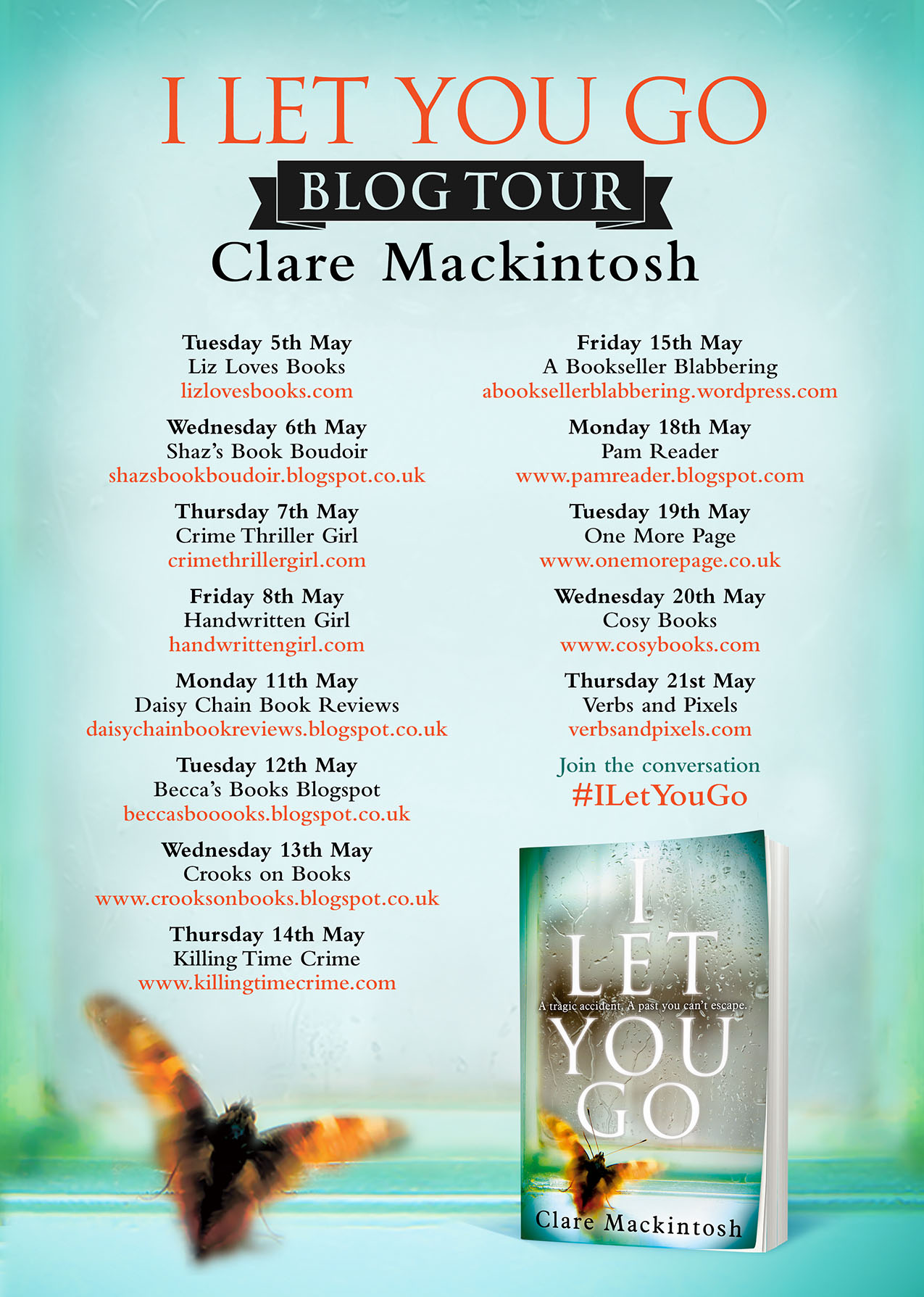
The #ILetYouGo Blog Tour: Guest Post by Clare Mackintosh – Twists

I Let You Go cover image

I Let You Go cover image

Today on the CTG blog I’m delighted to be joined by Clare Mackintosh author of I Let You Go – a phenomenal psychological thriller that’s out now. I Let You Go has a superb ‘gasp out loud’ twist and I’m thrilled that Clare is talking about twists here today.

So over to Clare …

They say writers should write the book they would like to read, rather than trying to meet any perceived trend or gap in the market. A life-long lover of crime (of the fictional kind) I have always read widely within the genre, but I began to seek out a particular element: twists.

Twists can be hard to define, but to my mind they are sections of a novel where the story takes a completely unexpected turn, turning upside down what the reader had previously believed. A good twist novel lures you in, making you believe one state of affairs, then slams you against the wall with the truth. Sometimes there can be more than one of these ‘gasp moments’, leaving you lurching from side to side like an out of control train.

It could be said that all crime books have twists in them, but when the story contains a cast of suspects, the reveal of an offender isn’t necessarily a ‘twist’. The big ‘reveal’ could certainly be surprising, even shocking, but in order to be a twist it should shake up a significant proportion of what you have read up to that point.

When I had the idea for I Let You Go, it was the twist that came first. I hugged it to myself for ages, not knowing exactly what would lead up to that point, or what would happen afterwards, but knowing it was the sort of twist that I loved to read. The story developed, changing significantly over the course of the next two years, but the twist remained the same, flanked by other, smaller twists. It was technically difficult to pull off: how could I ensure the twist was truly shocking, yet at the same time plant enough ‘clues’ that when the reader looked back they could see them?

I am lucky to have a fantastic editor, who helped me tighten the screws on the twist until it was as watertight as possible. By that point we had both read the manuscript so many times it was hard to know how the twist would work for a new reader. I became convinced my ‘oh so clever’ twist was utterly obvious. It was time to find out, so my editor passed the manuscript to a few trusted members of her team, and we held our breath…

When the first reaction came in I breathed a sigh of relief. The twist worked! It has been fantastic to see the tweets, emails and reviews from readers taken by surprise by the turns in the book, and I never tire of hearing about their ‘gasp’ moments. If you read I Let You Go do let me know what you think of the twist: maybe you’ll be the first one to guess it…

Clare Mackintosh

Clare Mackintosh

A big thank you to Clare for making the CTG blog one of the stops on her tour.

You can find out more about Clare by hopping over to her website at http://claremackintosh.com/, looking her up on Facebook at ClareMackWrites and following her on Twitter @claremackint0sh

I Let You Go is out today. Here’s what the blurb says: “In a split second, Jenna Gray’s world descends into a nightmare. Her only hope of moving on is to walk away from everything she knows to start afresh. Desperate to escape, Jenna moves to a remote cottage on the Welsh coast, but she is haunted by her fears, her grief and her memories of a cruel November night that changed her life forever. Slowly, Jenna begins to glimpse the potential for happiness in her future. But her past is about to catch up with her, and the consequences will be devastating …”

And here’s a sneaky peep at an extract from the story …

“When I wake, for a second I’m not sure what this feeling is. Everything is the same, and yet everything has changed. Then, before I have even opened my eyes, there is a rush of noise in my head, like an underground train. And there it is: playing out in Technicolor scenes I can’t pause or mute. I press the heels of my palms into my temples as though I can make the images subside through brute force alone, but still they come, thick and fast, as if without them I might forget. On my bedside cabinet is the brass alarm clock Eve gave me when I went to university – ‘Because you’ll never get to lectures, otherwise’ – and I’m shocked to see it’s ten-thirty already. The pain in my hand has been overshadowed by a headache that blinds me if I move my head too fast, and as I peel myself from the bed every muscle aches. I pull on yesterday’s clothes and go into the garden without stopping to make a coffee, even though my mouth is so dry it’s an effort to swallow. I can’t find my shoes, and the frost stings my feet as I make my way across the grass. The garden isn’t large, but winter is on its way, and by the time I reach the other side I can’t feel my toes. The garden studio has been my sanctuary for the last five years. Little more than a shed to the casual observer, it is where I come to think, to work, and to escape. The wooden floor is stained from the lumps of clay that drop from my wheel, firmly placed in the centre of the room, where I can move around it and stand back to view my work with a critical eye. Three sides of the shed are lined with shelves on which I place my sculptures, in an ordered chaos only I could understand. Works in progress, here; fired but not painted, here; waiting to go to customers, here. Hundreds of separate pieces, yet if I shut my eyes, I can still feel the shape of each one beneath my fingers, the wetness of the clay on my palms. I take the key from its hiding place under the window ledge and open the door. It’s worse than I thought. The floor lies unseen beneath a carpet of broken clay; rounded halves of pots ending abruptly in angry jagged peaks. The wooden shelves are all empty, my desk swept clear of work, and the tiny figurines on the window ledge are unrecognisable, crushed into shards that glisten in the sunlight. By the door lies a small statuette of a woman. I made her last year, as part of a series of figures I produced for a shop in Clifton. I had wanted to produce something real, something as far from perfection as it was possible to get, and yet for it still to be beautiful. I made ten women, each with their own distinctive curves, their own bumps and scars and imperfections. I based them on my mother; my sister; girls I taught at pottery class; women I saw walking in the park. This one is me. Loosely, and not so anyone would recognise, but nevertheless me. Chest a little too flat; hips a little too narrow; feet a little too big. A tangle of hair twisted into a knot at the base of the neck. I bend down and pick her up. I had thought her intact, but as I touch her the clay moves beneath my hands, and I’m left with two broken pieces. I look at them, then I hurl them with all my strength towards the wall, where they shatter into tiny pieces that shower down on to my desk. I take a deep breath and let it slowly out.”

I Let You Go is one of my top reads of 2015. Be sure to pop back tomorrow to check out my review.

And, don’t forget to check out all the fabulous tour stops on the #ILetYouGo blog tour …

I_Let_You_Go_Blog_Poster (4)