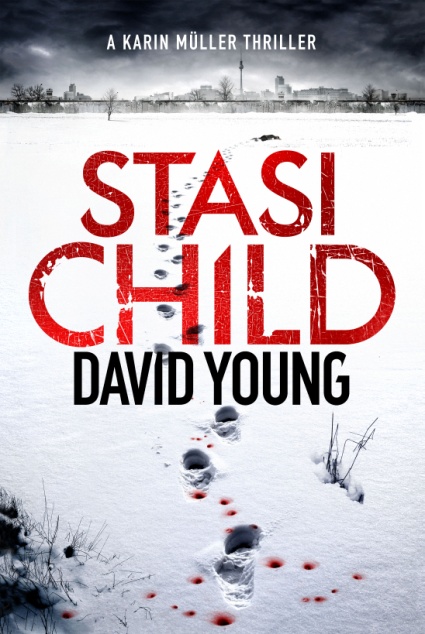
STASI CHILD Blog Tour: CTG interviews debut author David Young

image001

I’m delighted to welcome David Young, author of STASI CHILD, to the CTG blog and to be hosting his blog tour stop today. STASI CHILD (published by Twenty7) is David’s debut novel and is the winner of the PFD 2014 Crime Prize. He’s popped along to see us today to chat about the book, his writing process, and his route to publication.

So to the questions!

Your debut, STASI CHILD, is out this month. Can you tell us a bit about it?

It’s a crime thriller – part historical crime, part police procedural, part thriller, and I guess a dash of Cold War politics to boot. What it’s not is a traditional Cold War spy thriller – although it’s set in the era of the Cold War. It tells two parallel stories: one in third person past through the eyes of a female detective in the state police, Oberleutnant Karin Müller, who’s trying to solve a gruesome murder but has to battle obstacles put in her way by the secret police, the Stasi. The other, in first person present, follows the life of a 15-year-old female inmate of a communist Jugendwerkhof – which loosely translates into ‘youth workhouse’ or reform school. The two stories eventually collide in a climax on the snowy slopes of northern Germany’s highest mountain, the Brocken, near the border with the west. I think fans of Tom Rob Smith’s Child 44 would enjoy it, and also those who read Anna Funder’s non-fiction account of the Stasi’s methods, Stasiland.

STASI CHILD is set in East Germany in 1975. What drew you to writing about this moment in history?

No-one had yet written a crime series set in East Germany – at least not in English as the original language. So I thought it filled a gap in the market, was something a bit different and – given the success of books like Child 44 and AD Miller’s Snowdrops – could prove popular. The idea originally came from reading Stasiland while on a self-booked (and at times chaotic) mini-tour of eastern Germany with my indiepop band about seven years ago. I was fascinated that you could still feel the ghost of the communist east even though the Berlin Wall had been torn down, at that time, twenty years earlier. Müller’s office is underneath Hackescher Markt S-bahn station – where we played our Berlin gig. So I wanted to choose a time when East Germany was perhaps at its most confident, and yet with enough years to fit a series in, if the first book sold well.

Given the modern historical setting, how did you go about researching the book?

A mixture of things, really. Watching films like The Lives of Others and Barbara, episodes of the original East German detective show, Polizeiruf 110, and the current German TV series set in the period, Weissensee – which is a great watch but inexplicably, and annoyingly, only has English subtitles on the second of its three series so far. I also read a lot of memoirs of inmates of Jugendwerkhöfe, that sort of thing, and true crime books by former GDR detectives. I don’t speak German – so it was a case of tearing out pages, feeding them into an OCR programme via a scanner, and then putting it all through Google Translate! What came out was barely intelligible, but you could pick out the facts even if the actual storytelling was mangled beyond repair. I also had great fun visiting all my locations, and interviewing former East German detectives (with the help of translators). So I loved the research, and I’m itching to get back out to Germany again. I also keep telling myself I must learn German!
image006

You recently completed the City University MA in Creative Writing (Crime Fiction), how do you think this helped you on your journey to publication?

I think it was the key to it, really. We had some great tutors who were all published crime writers: Claire MacGowan, Laura Wilson and Roger Morris were mine – although William Ryan, who writes in a similar genre to me, has now joined. Roger introduced me to Peter May’s Lewis trilogy, and the structure of Stasi Child – with its twin narrative – is quite similar to May’s The Lewis Man. Claire nurtured the original idea, Laura worked on the nuts and bolts as my main novel tutor, and then both of them read and fed back on the full draft. The result was that Stasi Child won the course prize sponsored by the literary agents, PFD, and by the shortlisting stage a young PFD agent, Adam Gauntlett, had already declared his hand in wanting to represent me.

So, what’s it like having your debut novel published? What’s your best moment so far?

Because my publishers Twenty7 (part of the Bonnier group) are e-book first, the biggest thrill was getting a physical copy of the proof. It’s got a slightly different cover, very minimalist, which I love. I’ve only got one copy, though, and the publishers have run out now so I guard it with my life. And then in the last few days, Stasi Child became the fourth bestselling Kindle book in the UK, and the number one bestseller in Historical Fiction – for ebooks and paperbacks. It’s fallen back since, but that was a champagne moment, figuratively sitting on top of luminaries such as Robert Harris, Hilary Mantel …well, everyone who’s anyone in historical fiction. Ha! It’ll probably never happen to me again. We made sure we kept the screenshots of the charts!

STASI CHILD is the first in the Karin Müller crime series, can you tell us anything about the next book?

Yes Karin returns, but this time in the model East German new town of Halle-Neustadt, where underneath the ideal communist city gloss, dark things are happening a few months after the closure of the Stasi Child case. The Stasi are heavily involved again, and we also learn more about Karin’s past – with several surprises in store for her. It follows the same twin narrative format, but the second narration this time is darker, more disturbed, and unreliable. In fact the whole thing is darker and more disturbed, which is slightly worrying as most people seem to think Stasi Child’s about as dark as you can get.

And, finally, what does the rest of 2015 have in store for you?

Initially, I’ll be concentrating on promoting the Stasi Child ebook, and I’ve my first appearance at a literary festival, as part of the past prizewinner’s event at Yeovil on Friday October 30th. Then it will be a combination of reshaping book two with my editor at Bonnier, and researching book three with a trip to Germany. Oh, and I might finally get around to starting to learn German … but no promises!

A huge thank you to David Young for coming along to the CTG blog to chat with us today. You can find out more about David by checking out his website at www.stasichild.com and follow him on Twitter @djy_writer

Stasi Child is a great read, perfect for fans of historical crime fiction. Here’s the blurb: “East Berlin, 1975: Questions are dangerous. Answers can kill. When murder squad head Oberleutnant Karin Müller is called to investigate a teenage girl’s body found riddled with bullets at the foot of the Berlin Wall, she imagines she’s seen it all before. But when she arrives she realises this is a death like no other: it seems the girl was trying to escape – but from the West. 

Müller is a member of the People’s Police, but in East Germany her power only stretches so far. The Stasi want her to discover the identity of the girl, but assure her the case is otherwise closed – and strongly discourage her asking questions.  The evidence doesn’t add up, and it soon becomes clear that the crime scene has been staged, the girl’s features mutilated. But this is not a regime that tolerates a curious mind, and Müller doesn’t realise that the trail she’s following will lead her dangerously close to home.

The previous summer, on Rügen Island off the Baltic Coast, two desperate teenage girls conspire to escape the physical and sexual abuse of the youth workhouse they call home.  Forced to assemble furniture packs for the West, the girls live out a monotonous, painful and hopeless life.  Stowing away in the very furniture they are forced to make, the girls arrived in Hamburg. But their celebrations are short-lived as they discover there is a price on freedom in the DDR…”

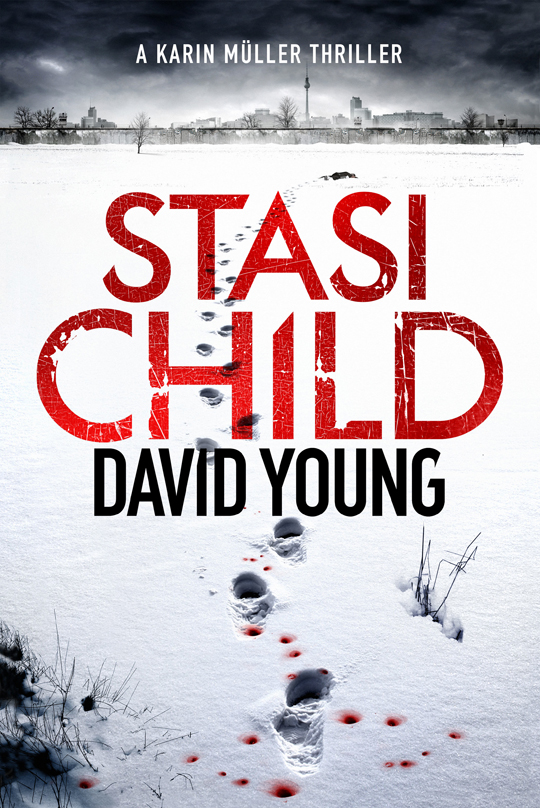
STASI CHILD is out now in eBook (and will be out in paperback in February 2016). To buy the eBook via Amazon click on the book cover below

 http://


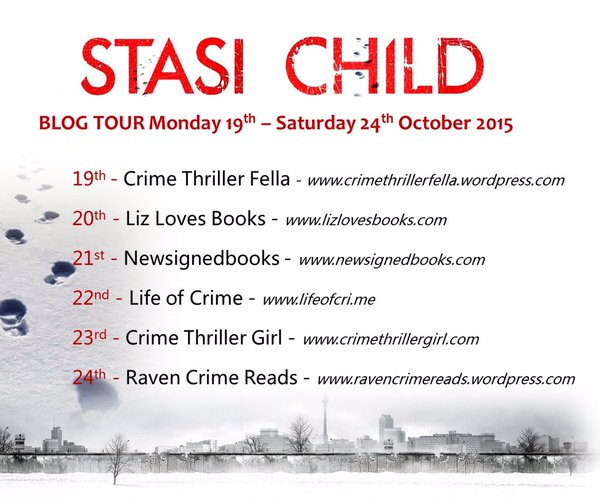
And don’t forget to check out all the other fabulous stops on the Stasi Child Blog Tour:
CR34iTvWoAAVo2j

What happened when CTG met … Martyn Waites aka Tania Carver

waites-website

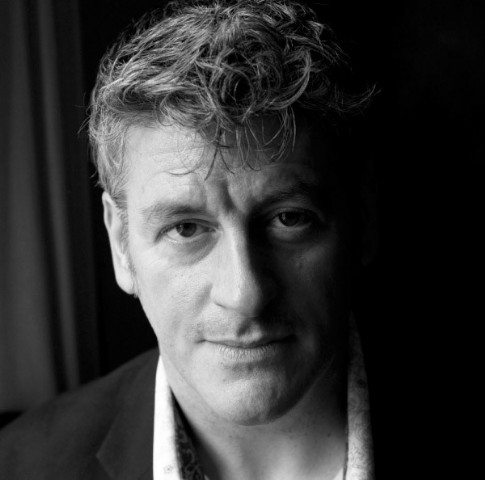
I met Martyn Waites (aka Tania Carver) at the Princess Louise pub in London. It’s an old Victorian place with wood panelled booths and a traditional bar. Over beer and pork scratchings, we chatted about crime fiction, country music, and what it’s like writing under multiple names …

Your latest novel – HEARTBREAKER – is the 7th Tania Carver novel featuring DI Phil Brennan and Psychologist Marina Esposito. As you know, I’m a huge fan of the series, and I found the killer in this book especially chilling. What was it that led you to create that particular character?

I never set out to create a villain. The character might have done horrible things, but everyone is the hero of their own story, so I come at it from that angle. It’s about making monsters more human. I think you have to look at characters that way or you don’t get the depth of psychological involvement needed for the story.

Their side of the story was quite interesting to plot. At first I wanted to let the reader know the killer’s identity halfway through the book and have them see the character manipulating and manoeuvring the chess pieces during the second half. But in the end I went back and changed it, so that the story kept the reader guessing till close to the end.

The question in my mind was what would attract someone who’s a natural predator to do [what they do in the book]? I like the juxtaposition between their job and what they do privately, and at the same time I wanted to make them good at their job. I wanted to create someone who had a life – I like giving good characteristics and traits to bad characters. I hate looking at things as black and white – grey is so much more interesting.

During the course of the series, and especially in HEARTBREAKER, you’ve put Phil and Marina through a lot both professionally and as a couple. Was their relationship something you’d planned out from the start of the series or has it grown organically book by book?

I make it up as I go along! I know when I start a book they have to be in a different place emotionally at the end, and that the story has to have moved them on as characters – without that, everything stays on the surface. In a series it’s difficult to do, but worth doing. Every novel needs to be a good jumping on point for new readers, but also give readers of the series something more. I like surprising the reader!

You’ve written books under your own name – the Joe Donovan series, the Stephen Larkin series, the Woman in Black: Angel of Death, Great Lost Albums – as well as the Tania Carver novels. What is it that attracts you to a story idea, and how do you decide which of your names it’s right for?

I’m not sure! I had actually started working on a Tania book, but about fifty pages in I realised it was a Martyn Waites novel so I stopped. I’ve got another idea for a standalone, and an idea for a comic series which I’m putting together. I’ve got an idea for a supernatural horror crime novel too where the premise came to me fully formed – I was on the tube at the time and had to get off so I could write it down. With writing, I think it’s about opening up yourself to different ideas, and then finding someone to pay you for writing them!

When I write I don’t have a specific reader in mind, but I do want to give the reader a good experience. It comes from when I was acting. I was on tour in a Catherine Cookson play (as the villain) and my mother and her friends had all saved up so they could buy good tickets to come and watch it. That really reminded me that the audience have paid money to see a play and deserve to enjoy it. It’s the same with readers – I don’t write for a specific person but I want the reader to have the best experience they can. It means you can never feel complacent and do something half-arsed. It makes me my own worst critic – I always think I can do better.

What’s your writing process – do you plot everything out in advance or dive right in and see what happens?

Bit of both really. I start with a premise, maybe a couple of images, and some questions – what’s happened? Why did it happen? From there I’ll write a bit and see what happens and where it gets to. In the new one I’m writing [the 8th Tania Carver novel] a couple of new characters have popped up and I just love putting them in scenes – that’s the exciting bit. I tend to use the first part of the book as an audition for the characters, then do a bit of structuring and plan a list of things that will happen.

With this book I’ve changed to writing at night. I start work at 8pm and write through to midnight, or if it’s going well until 2am. I like working at night. It’s like you’re alone with your thoughts and the house is silent. It’s comforting. It makes it feel like a good time to write.

Unknown

Like me, you have a love of country music. What are you listening to at the moment? And do you listen to music as you’re writing?

I need silence when I’m writing. I’ve tried writing in coffee shops, but I can’t do proper work away from my desk or dining room table (which I sit at for a change of scenery). So I can’t listen to music as I write, although I wish that I could.

I do listen to music to get me into the right mood to write, and this is different depending on the book. For one book I would listen to Night Owl by Gerry Rafferty, and for another it was Verdi Cries by 10,000 Maniacs. I’m currently listening to Everything’s Fine by The Willard Grant Conspiracy (really miserable) and Mark Lanegan (kind of less miserable) – both put me in the right mood for writing. If I want something more upbeat, then I listen to some sixties southern soul like James Carr.

What was it that drew you into writing crime fiction and how did you get started?

I was a fan of crime fiction. I read a lot of the stuff, and am a huge comics fan, but couldn’t read sci-fi. I read a lot of pulp fiction and when I picked up a copy of Raymond Chandler’s Farewell My Lovely I knew I’d found my thing. I read everything by Chandler, Ross MacDonald, and Dashiell Hammett. Then discovered James Ellroy and James Lee Burke. I didn’t really like the UK stuff like Agatha Christie, but I loved the contemporary American stuff and the way it was reporting on a society I recognised. I wondered why no one was doing that it in the UK – so I decided to write a novel. At the same time others had the same thought and were taking the idea in their own direction – people like Ian Rankin. Crime fiction was the only type of books that really connected with me, I was left cold by UK literary fiction – it all seemed to be about the beauty of a sentence and showing off. I hated it. Whereas Ellroy and Lee Burke demonstrated that literary crime could be accessible and contemporary.

What advice would you give to those aspiring to publication?

Someone once said that the main difference between an amateur writer and a professional writer is that a professional writer doesn’t take no for an answer! It took me five years to be published and during that time I was turned down by everyone!

Keep writing. Keep getting better. Don’t take no for an answer.

I still turn up to crime fiction events feeling like I’m going to be told my time’s up. You just need to keep on writing, and re-writing and re-writing. And if you get knocked back ask why – you’re never going to get better unless you know why you’re getting rejected, so ask.

And finally, what does the rest of the year have in store for you?

Finishing the next Tania Carver novel, which will hopefully be finished sooner rather than later – it’ll be out in summer 2016 as an eBook, and autumn 2016 in paperback. Then my back catalogue is being published in France and I’ll be going there to attend some festivals.

And with that our drinks were finished, the pork scratchings eaten, and the interview over.

A huge thank you to Martyn Waites (aka Tania Carver) for letting me ply him with beer and interrogate him about his books and writing.

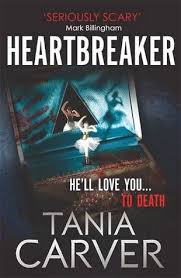
Be sure to check out HEARTBREAKER – the fabulously gritty, super-chilling latest book in the DI Phil Brennan and Psychologist Marina Esposito series by Tania Carver.

Here’s the blurb: “After years of abuse, Gemma Adderley has finally found the courage to leave her violent husband. She has taken one debilitating beating too many, endured one esteem-destroying insult too much. Taking her seven-year-old daughter Carly, she leaves the house, determined to salvage what she can of her life. She phones Safe Harbour, a women’s refuge, and they tell her which street corner to wait on and what the car that will pick her up will look like. They tell her the word the driver will use so she know it’s safe to get in.

And that’s the last they hear from her.

Gemma Adderley’s daughter Carly is found wandering the city streets on her own the next day. Her mother’s mutilated corpse turns up by the canal several weeks later. Her heart has been removed. Detective Inspector Phil Brennan takes on the case, and his wife, psychologist Marina Esposito, is brought in to try and help unlock Carly’s memories of what happened that day. The race is on to solve the case before the Heartbreaker strikes again …”

You can find out more about Martyn Waites (and Tania Carver) over on www.martynwaites.com and follow Martyn on Twitter @MartynWaites

And click on the book cover below to buy HEARTBREAKER from Amazon:

http://

CTG Reviews: #HEARTBREAKER by Tania Carver

Unknown

As I’ve said before on this blog, the Tania Carver books featuring DI Phil Brennan and Psychologist Marina Esposito are one of my favourites, and HEARTBREAKER – the latest addition and seventh novel in the series – is a real cracker of a read.

Here’s the blurb: “After years of abuse, Gemma Adderley has finally found the courage to leave her violent husband. She has taken one debilitating beating too many, endured one esteem-destroying insult too much. Taking her seven-year-old daughter Carly, she leaves the house, determined to salvage what she can of her life. She phones Safe Harbour, a women’s refuge, and they tell her which street corner to wait on and what the car that will pick her up will look like. They tell her the word the driver will use so she know it’s safe to get in.

And that’s the last they hear from her.

Gemma Adderley’s daughter Carly is found wandering the city streets on her own the next day. Her mother’s mutilated corpse turns up by the canal several weeks later. Her heart has been removed. Detective Inspector Phil Brennan takes on the case, and his wife, psychologist Marina Esposito, is brought in to try and help unlock Carly’s memories of what happened that day. The race is on to solve the case before the Heartbreaker strikes again …”

HEARTBREAKER has a fabulously twisty turny plot, a disturbing set of crimes at its core, and a tough emotional struggle for the two lead characters that threatens to destroy both their careers and their life together.

What I found especially chilling in this book is the way the killer selects their victims – targeting vulnerable women who have made the decision to seek refuge. Somehow the killer is gaining access to confidential information in real time, and until they are caught every woman seeking sanctuary is a potential victim. Through the storyline, the book looks at domestic violence through the eyes of the perpetrators, the victims, and those working to help the victims, and it doesn’t hold back from showing a violent and brutal truth.

Along with the case being investigated, there’s another complex situation that Phil and Marina are dealing with in their personal lives – the aftermath of the horrific chain of events in the previous book – TRUTH OR DARE – which has had a devastating impact on their relationship. As they struggle seperately to come to terms with the events they experienced, and the ever-present danger that hangs over them, the rollercoaster of emotions they feel continues to drive them further apart. But with the Heartbreaker investigation needing them to work together to find the killer, it soon becomes apparent that this case could be the thing that destroys them both and all that they’ve worked for.

Gritty and compelling HEARTBREAKER is a tense and suspenseful page-turner of a read.

Highly recommended.


You can find out more about Tania Carver (aka crime writer Martyn Waites’ alter ego) over on www.martynwaites.com and follow Martyn on Twitter @MartynWaites

And be sure to pop back on Thursday to read my interview with Martyn about the book.

You can click on the book cover below to buy HEARTBREAKER from Amazon:

http://


[I bought my copy of HEARTBREAKER]


#MakeMeADetective – Career Of Evil by Robert Galbraith is coming …

CareerOfEvil_230

Now if you saw my post last week calling for you to unleash your inner detective, today is the day the truth behind the #MakeMeADetective competition is revealed …

To support the launch of the latest addition to the Robert Galbraith series – CAREER OF EVIL – I’ve teamed up with those lovely folks at Sphere to recruit some dazzling new detectives. Some of the lucky people who participated in the challenge will be invited to an event in London later in October to participate in some Galbraith-themed challenges. It sounds like it’s going to be a lot of fun. [For T&Cs pop over to The Crime Vault here]

CAREER OF EVIL by Robert Galbraith is out on the 20th October.

Here’s the blurb: “When a mysterious package is delivered to Robin Ellacott, she is horrified to discover that it contains a woman’s severed leg. Her boss, private detective Cormoran Strike, is less surprised but no less alarmed. There are four people from his past who he thinks could be responsible – and Strike knows that any one of them is capable of sustained and unspeakable brutality. With the police focusing on the one suspect Strike is increasingly sure is not the perpetrator, he and Robin take matters into their own hands, and delve into the dark and twisted worlds of the other three men. But as more horrendous acts occur, time is running out for the two of them…”

To see CAREER OF EVIL on Amazon, click on the book cover below:

http://

CTG Reviews: Writing Crime Fiction – A 60-minute Masterclass by William Ryan and M R Hall

41X8hgeS8pL._UY250_

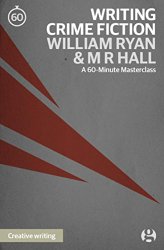
What the blurb says: “Everybody loves a good, juicy murder. So it’s little wonder that crime fiction is the UK’s, if not the world’s bestselling literary genre. In the first of their three 60 Minute Masterclasses, Writing Crime Fiction: An Introduction, acclaimed novelists William Ryan and M.R. Hall give an intensive and entertaining overview of the essentials of the craft.

Fast-paced, clear and accessible, Ryan and Hall distil their years of experience into a definitive guide that will show you how to turn your idea for a story into a page-turning and commercial novel. Written for beginners and experienced writers alike, the authors introduce the essential elements of a compelling story: plot, character, setting and theme, as well as advice on securing the all-important publishing deal.”

So you want to write a crime novel and you’re looking for advice?

Well, who better to guide you through the process than crime writers William Ryan – author of The Holy Thief, The Twelfth Department, and The Bloody Meadow – http://www.william-ryan.com @WilliamRyan_ on Twitter, and M R Hall – author of The Flight, The Coroner, and The Burning – www.m-r-hall.com  @MRHall_books on Twitter; both fabulous crime writers and experienced tutors of the Guardian writing masterclasses.

Structured in a step-by-step sequence helpful to prompt your thinking about each aspect of the crime novel you want to write, Ryan and Hall share their expertise and pose thought-provoking questions to help guide you through the choices you’ll need to make.

In clear, concise chapters this information-packed guide covers: what makes a crime novel; research, points of view, character creation – central and subsidiary, the dramatic world, structure and plotting, writing a novel, and how to be commercial.

With examples from classic and contemporary crime novels, this is an accessible, informative and entertaining read – perfect for reading cover-to-cover, or dipping into as and when you need some help.

So whether you’re revving up to writing a crime novel or you’ve already started and are wrestling with a work-in-progress, Ryan and Hall’s Writing Crime Fiction Masterclass is a book that you really shouldn’t be doing without.

Highly recommended.


You can buy the book from Amazon by clicking on the book cover below:

http://

And, if you’d like to learn direct from William Ryan, check out this fabulous Guardian writing workshop http://www.theguardian.com/guardian-masterclasses/2015/aug/27/how-to-research-and-write-historical-fiction-william-ryan-writing-course


[with thanks to William Ryan and M R Hall for my copy of Writing Crime Fiction: a 60-minute Masterclass]


#TheDefenceless Blog Tour: Writing The Defenceless by Finnish crime writer Kati Hiekkapelto
cyscq21YEm-k8g9wsjB0dtQ8v1fqoRhPwxXpEmUUsv4

I’m delighted to welcome best-selling Finnish crime writer, Kati Hiekkapelto, to the CTG blog for today’s stop on her blog tour. For her guest post, Kati kindly agreed to talk about what it was like writing her latest book THE DEFENCELESS …

When I was writing The Defenceless, I read an article about Pakistani author Aslam Nadeem, who was locked in one room when he was writing the novel Wasted Vigil. Someone gave him food through the hatch in the door, and he requested that no one let him out until the book was finished. He stayed in that room for seven months without seeing anyone, doing nothing but writing and sleeping. My first thought after reading about his isolation, was Wow! That’s exactly what I need. To be an effective and productive writer I really do need total solitude, without Internet access – some sort of all-inclusive accommodation, somewhere far away and a secretary! Or even better, a wife.

I’ve often been asked if it is difficult to ‘return to normal life’ after an intensive writing session. The answer is yes. However, in my experience it is even more difficult to ‘return to writing life’ after an intensive period in real life. The trouble is that reality lurks everywhere, all the time, and it is often very invasive. It has the shape of family, friends, lawnmower, snow shovel, washing machine, grocery list, shopping centre, bills, and millions of other things you can not escape.

I usually work in the mornings. I like the purity of thought that occurs after a sleep and therefore I don’t allow myself to use the Internet or talk to anyone before I have written my daily words. I often disobey my own rules and check Facebook or emails. Sometimes I have to ring or text, or sit down for a chat with my children. Yes, I get disturbed, but I try to get over it. I have to. I write for between three and five hours a day and after that I answer my emails, surf the internet and take part in the usual round of social media that seems to be part of being a writer these days.

Then I have to stop. I have to cook, do the laundry, be with my children, clean the house, meet my friends and do all that stuff that everyone else has to do too. At first my thoughts and soul are absent from these activities – they want to remain in my fiction world and I want to keep them there, too. After a while reality and its never-ending responsibilities drag my mind into my body again and the text begins to fade away. Finally I’m present in my normal life.

And then the next morning it’s time to start writing again – forget about everything else, get into the right mood, find the right words, sentences, rhythm and try to ensure that the text continues to flow, that it takes on shape as a cohesive whole. And there it is again! That temptation winking at me from the real world, which suddenly seems fascinating. Even washing dishes and Hoovering suddenly looks like a good idea, as does time spent with my family. The longer the ‘real-life’ period lasts, the harder it is to get back to writing. But back I go, because I have to. Not just because it is my job, but because I am compelled.

uKQtKP_Vy5TXdyozXZTXEzymbPCmXSInpTi76jxb634

When I wrote my first novel, The Hummingbird, I did not have a designated room nor a good desk or even a decent chair. I sometimes wrote on the bathroom floor! (No wonder I had to go for physiotherapy several months after finishing the book.)

Nowadays my writing conditions have improved. I have a writing room and an electric desk – I like to write standing. I think my room absorbs all the feelings I want to have in the text and therefore it helps me to find the right mood every morning. Sometimes I need (or rather the text needs) a writing period longer than four hours per day and I have to pack my computer and notes and go away for couple days. When I wrote The Defenceless, I used my aunt´s cabin in Lapland. It was amazing to write murder mystery in the wilderness, surrounded by November darkness…

I envy my colleagues who can write in cafés surrounded by people and voices. I need absolute silence. Some authors also manage to write when they are travelling. Because of many foreign translations of The Hummingbird and The Defenceless, I have to spend a lot of time promoting my books abroad. It is fascinating and inspiring, of course, but it also means putting my writing aside to talk about previous books, which sometimes feels like schizophrenia. In that state of mind, I find it impossible to concentrate on writing!

The Defenceless was partly inspired by Nadeem’s Wasted Vigil. Conception of time is often circular in Eastern cultures, not horizontal as it is here in West, and Nadeem´s novel is a beautiful example of this. Because one of the main characters in The Defenceless is a young Pakistani man called Sammy, I wanted to get similar feeling of roundness in my book, as a reflection from his culture. Crime fiction is a very plot-orientated, horizontally proceeding genre and therefore I had to do my circles with a light hand. I was so happy when one Finnish literature journalist noticed my efforts! But I cannot escape reality around me, like Nadeem did, and, perhaps I wouldn’t want it after all. Maybe constant balancing between sinking down to the text and floating up to real-life duties is exactly what I need to be a productive writer. To have all the time and silence in the world and meals from a hatch would most likely make me so lonely, lazy and bored that I wouldn’t write anything worth reading. I have learned to work under in the ‘unsatisfactory circumstances’ otherwise known as ‘normal life’, and it is probably this that makes me the writer I am today.

A wife, however, would still be useful!

A huge thank you to Kati Hiekkapelto for taking over the reins of the CTG blog today and telling us about her writing process and how it felt when she was writing THE DEFENCELESS.

THE DEFENCELESS is out now from the fabulous Orenda Books. Here’s what the blurb says: “When an old man is found dead on the road – seemingly run over by a Hungarian au pair – police investigator Anna Fekete is certain that there is more to the incident than meets the eye. As she begins to unravel an increasingly complex case, she’s led on a deadly trail where illegal immigration, drugs and, ultimately, murder threaten not only her beliefs, but her life. Anna’s partner Esko is entrenched in a separate but equally dangerous investigation into the activities of an immigrant gang, where deportation orders and raids cause increasing tension and result in desperate measures by gang members – and the police themselves. Then a bloody knife is found in the snow, and the two cases come together in ways that no one could have predicted. As pressure mounts, it becomes clear that having the law on their side may not be enough for Anna and Esko. Chilling, disturbing and terrifyingly believable, The Defenceless is an extraordinary, vivid and gripping thriller by one of the most exciting new voices in crime fiction.”

You can find out more about Kati Hiekkapelto on the Orenda Books website and make sure you follow her on Twitter @HiekkapeltoKati

To get the book from Amazon, click on the book cover below:

http://

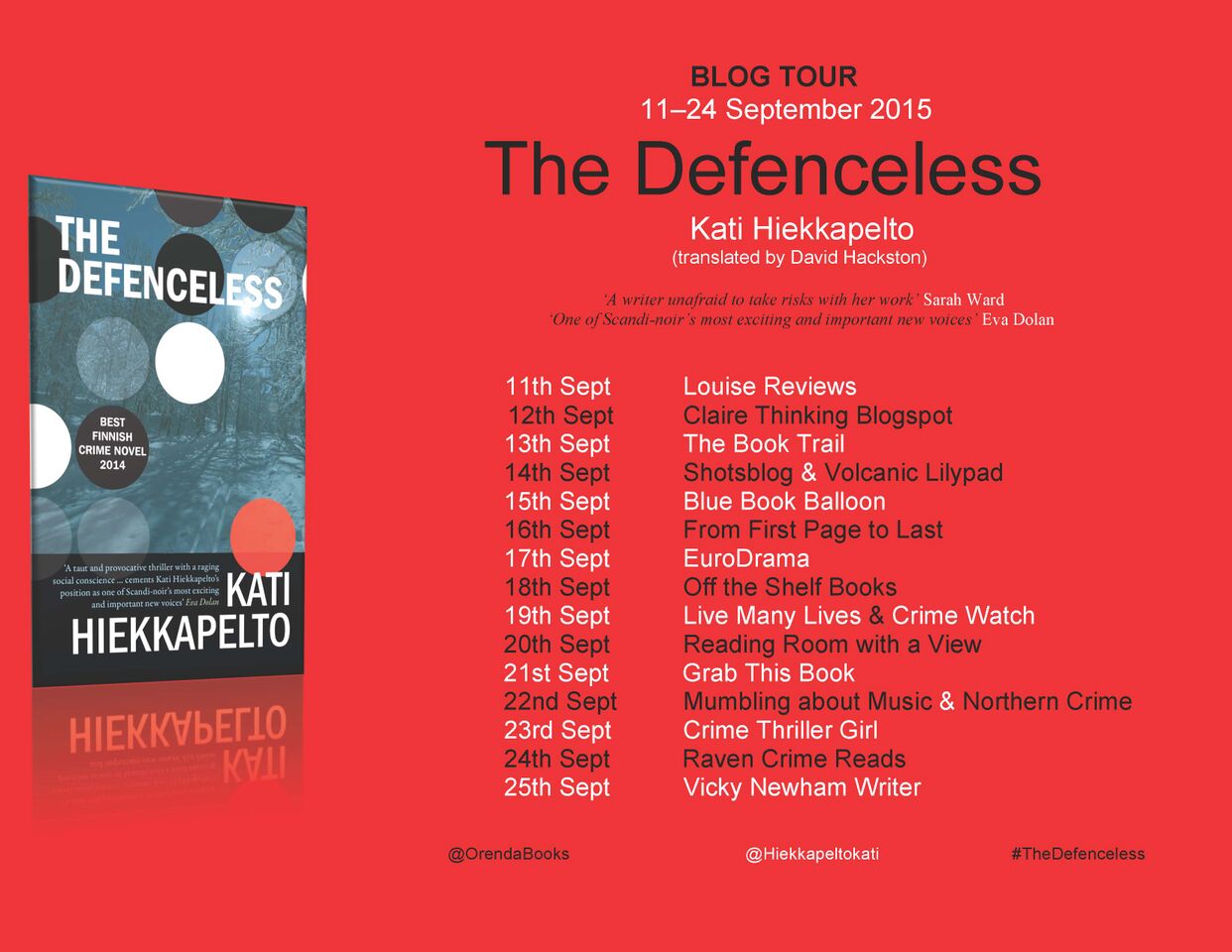
And be sure to check out all the other excellent stops on THE DEFENCELESS blog tour …

dByuxAcCrqmU8y70EfwFRPmMRUenBbLggq4C13iCVj4


The (Not So) Secret Diary of a Slice Girl #BloodyScotland (part 2)

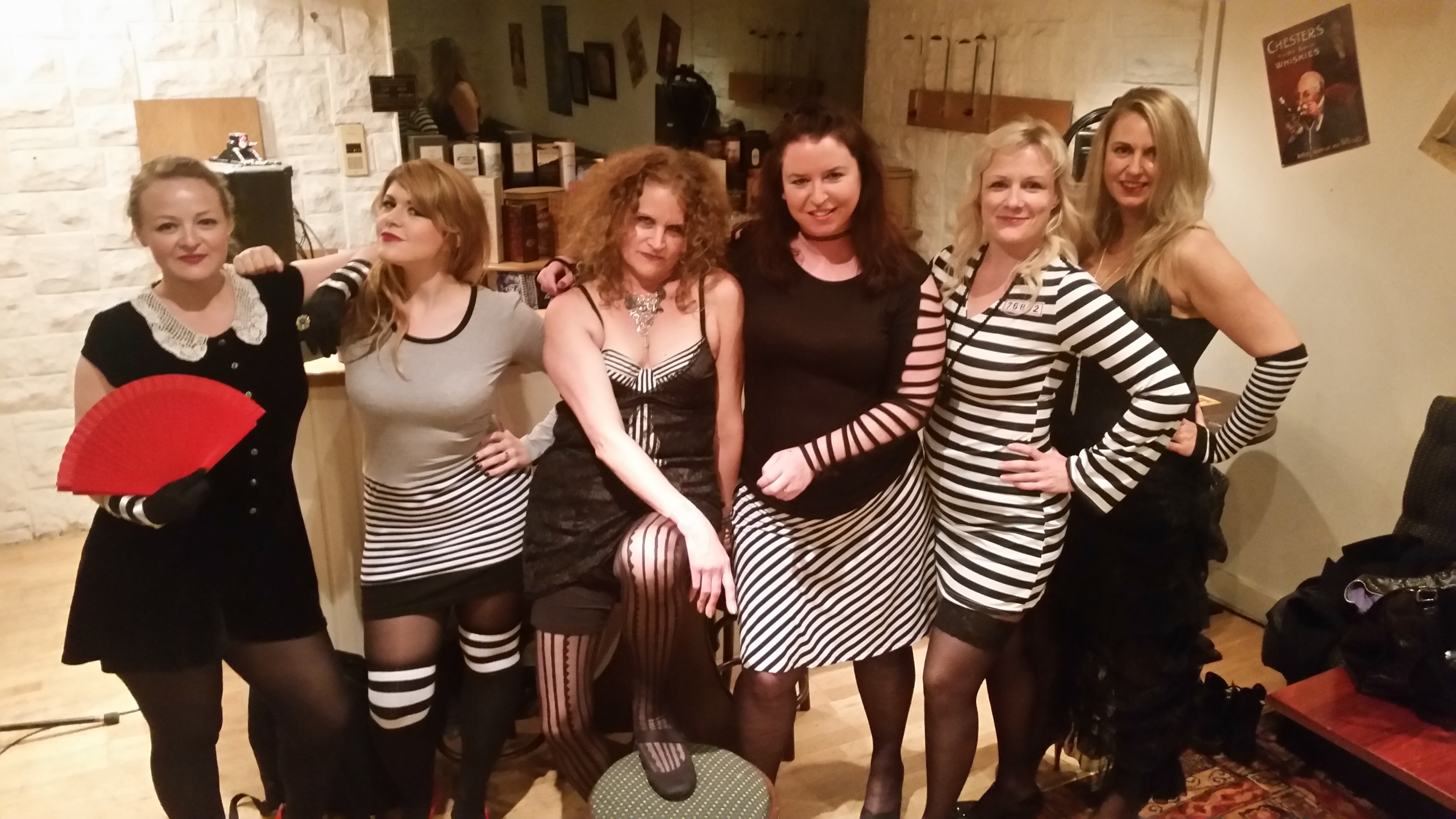
L-R: Kati, Elizabeth, Lucy, CTG (me!), Susi, Alex (c) Eoin Carey

L-R: Kati, Elizabeth, Lucy, CTG (me!), Susi, Alex (c) Eoin Carey

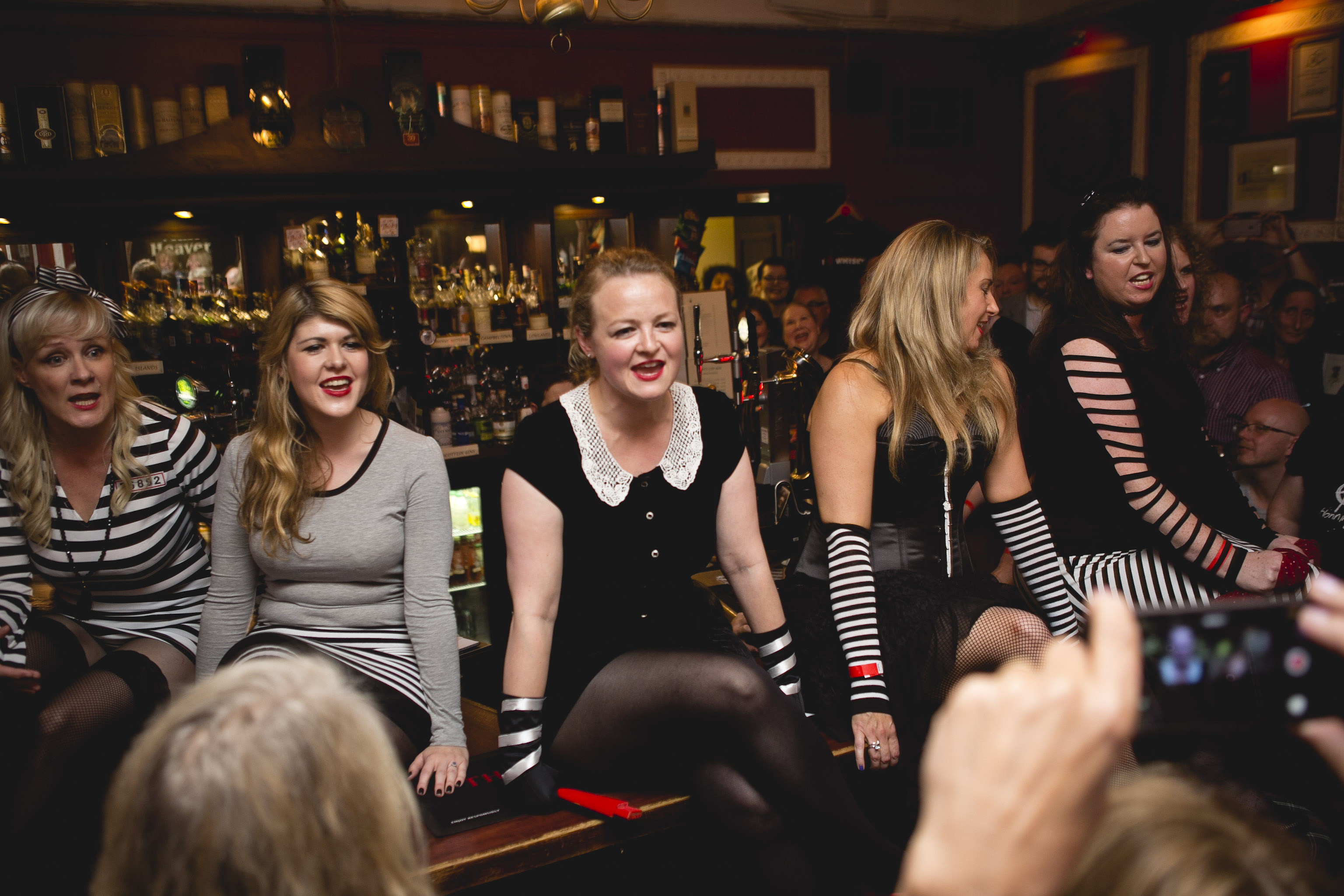
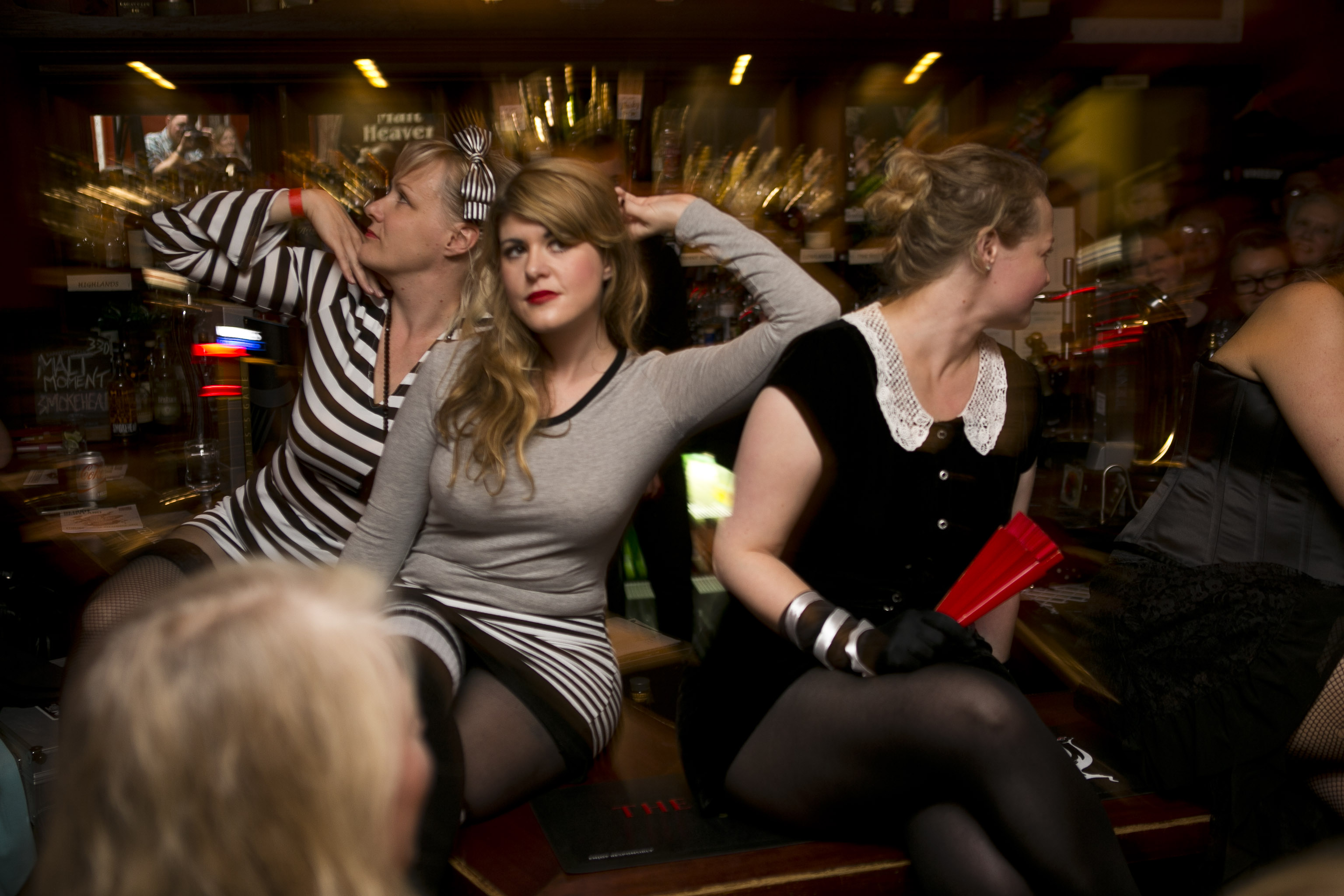
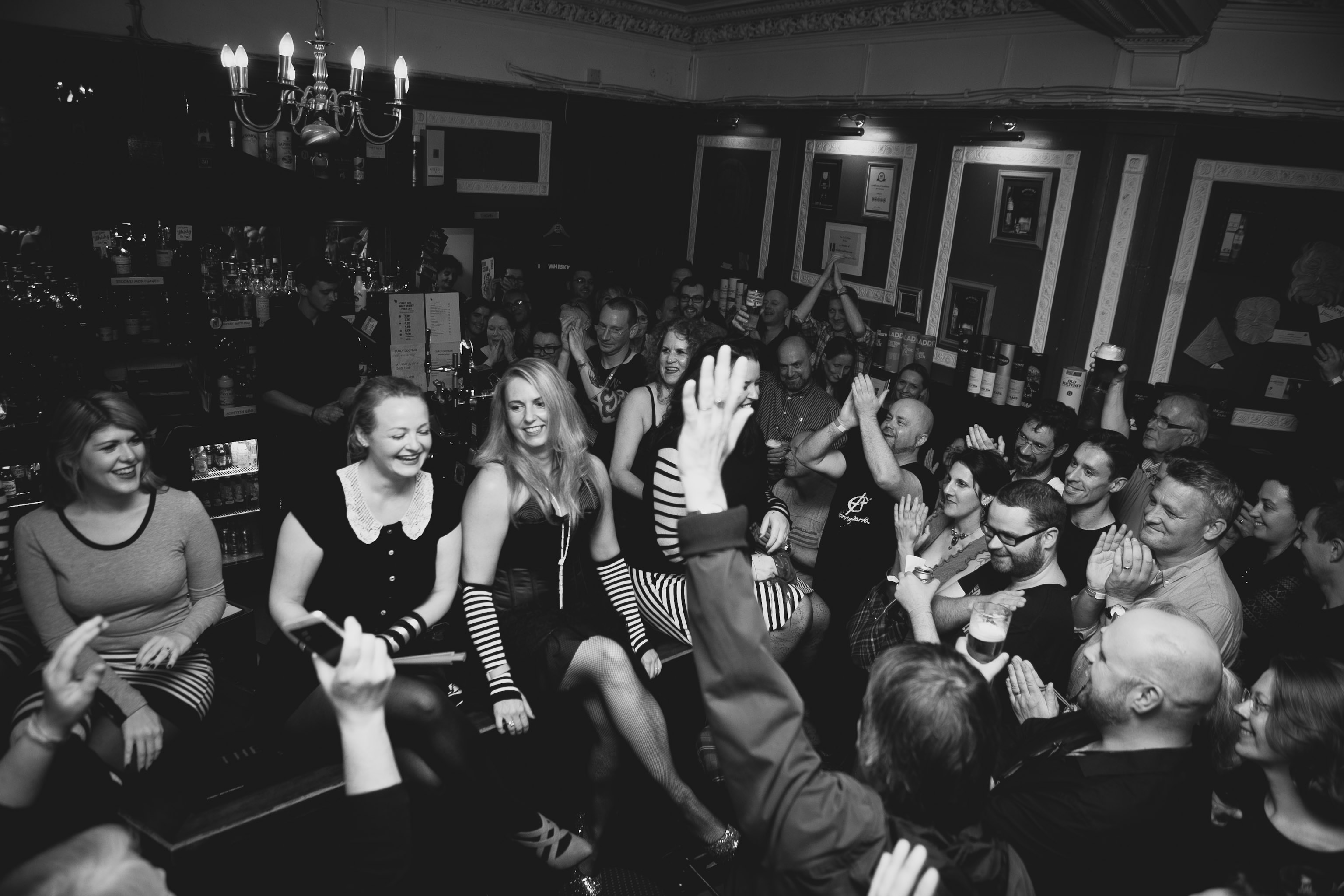
So I’m one of The Slice Girls – a group made up of crime writers, a publicist, and me – who took to the stage (actually, onto the bar) to perform a number at Bloody Scotland’s Crime in the Coo cabaret night. And this is how it happened …

I got ‘the call’, or rather, ‘the IM’ about four months ago. A short message from Slice Girls leader, Alexandra Sokoloff, that simply said, ‘Steph, do you sing?’ It was a simple question, but answering it made me feel a little like Neo in the Matrix – should I take the red pill or the blue one – what should I say? No. Yes. Kind of, well, there was that one time I sang with Danny La Rue …

In the end, I said yes. And so, it began. Well, after Harrogate in July, it began, anyway. I got sent the lyrics and the music for The Cell Block Tango from Chicago, was allocated my part (the “POP” monologue, and given instructions to practice. And practice I did. I also watched Chicago the film, watched clips of the Cellblock Tango performed on Broadway, and also by an all-male cast as part of a Broadway Backwards charity event (and the best rendition of the song in my book!).

L-R: Kati, Elizabeth & Lucy (c) Eoin Carey

L-R: Kati, Elizabeth & Lucy (c) Eoin Carey

But, as the months, weeks and days counted down to Bloody Scotland, I’d still only practiced on my own and in private. The fear set in. What if I forgot the words? What if I couldn’t do it in front of other people? Luckily I wouldn’t be up there alone, I was a Slice Girl now, and I’d be performing with fabulous crime writers Kati Hiekkapelto, Lucy Ribchester, SJI Holliday and Alexandra Sokoloff; and awesome Simon & Schuster senior publicist Elizabeth Preston. I told myself it was going to be fun (and I tried to believe it).

Before long, it was time. I arrived on Friday evening (late, as usual) at the Bloody Scotland Crime Writing Festival, and missed the first practice. Not such a great start, but at least I’d made it to the hotel – and the bar. I soon forgot my nerves after a few drinks, but the next day – Saturday, performance day – they were back, along with all the ‘what ifs’.

But I needn’t have worried – Alexandra had a plan. She gathered us together and had us rehearsing for as long as it took to change six people who’d never sung together into a group that might have a chance of looking like they knew what they were doing. There was choreography to learn too. And the challenge of actually getting up onto the bar in the first place (without putting our heels through the barstool covers). But we practiced, and practiced, and weirdly it was kind of fun.

So, to the evening. We met up at the hotel and headed down to the Curly Coo for our technical rehearsal at 7pm (with the bar due to open at 8pm). Dressed in our costumes we got more than a few odd looks from people out and about in Stirling. We had our rehearsal, with the lights being put up and cameras being fixed in place around us, and then, as the doors were about to be opened, I allowed myself a large glass of wine – for courage, you understand.

L-R: Lucy, CTG (me!), Susi, Alex (c) Eoin Carey

L-R: Lucy, CTG (me!), Susi, Alex (c) Eoin Carey

There were some fantastic performances – Val McDermid singing with Doug Johnstone on guitar, Mason Cross reading a rather entertaining one-star review, and numerous brilliant others. But I have to admit it was hard to concentrate knowing that soon we’d be up on the bar, performing our song.

When crime writer (and Maestro of the evening) Craig Robertson gave us a twenty-minute warning two things happened. First, we all got another drink, and second, we started running through our monologues, quietly, in the upstairs hallway.

Then it was time, and we made our way through the crowded bar, climbed up onto the bar (me in a far less elegant fashion than the others), and the music started …

And, you know what, it actually wasn’t as terrifying as I thought it’d be. All the way up to the music starting, I felt the fear – absolute and utterly terrifying. But all the practices of the day had done their work, and we all remembered our words, sung in time and had a very fun time. There’s even a bit of video around, taken by crime writer Mari Hannah – you can watch it here

So a massive thank you to Alexandra Sokoloff for pushing me out of my comfort zone, to the Bloody Scotland Crime Writing Festival for letting it happen, and to my fellow Slice Girls – Alex, Kati Hiekkapelto, Lucy Ribchester, SJI Holliday, Elizabeth Preston.

I truly had a bloody brilliant time!!

L-R: Elizabeth, Lucy, CTG (me!), Susi, Alex (c) Eoin Carey

L-R: Elizabeth, Lucy, CTG (me!), Susi, Alex (c) Eoin Carey


L-R: Lucy, Elizabeth, Alexandra, Susi, Kati, CTG (me!)

L-R: Lucy, Elizabeth, Alexandra, Susi, Kati, CTG (me!)

What happened at the brilliant #BloodyScotland Crime Writing Festival 2015 (Part 1)

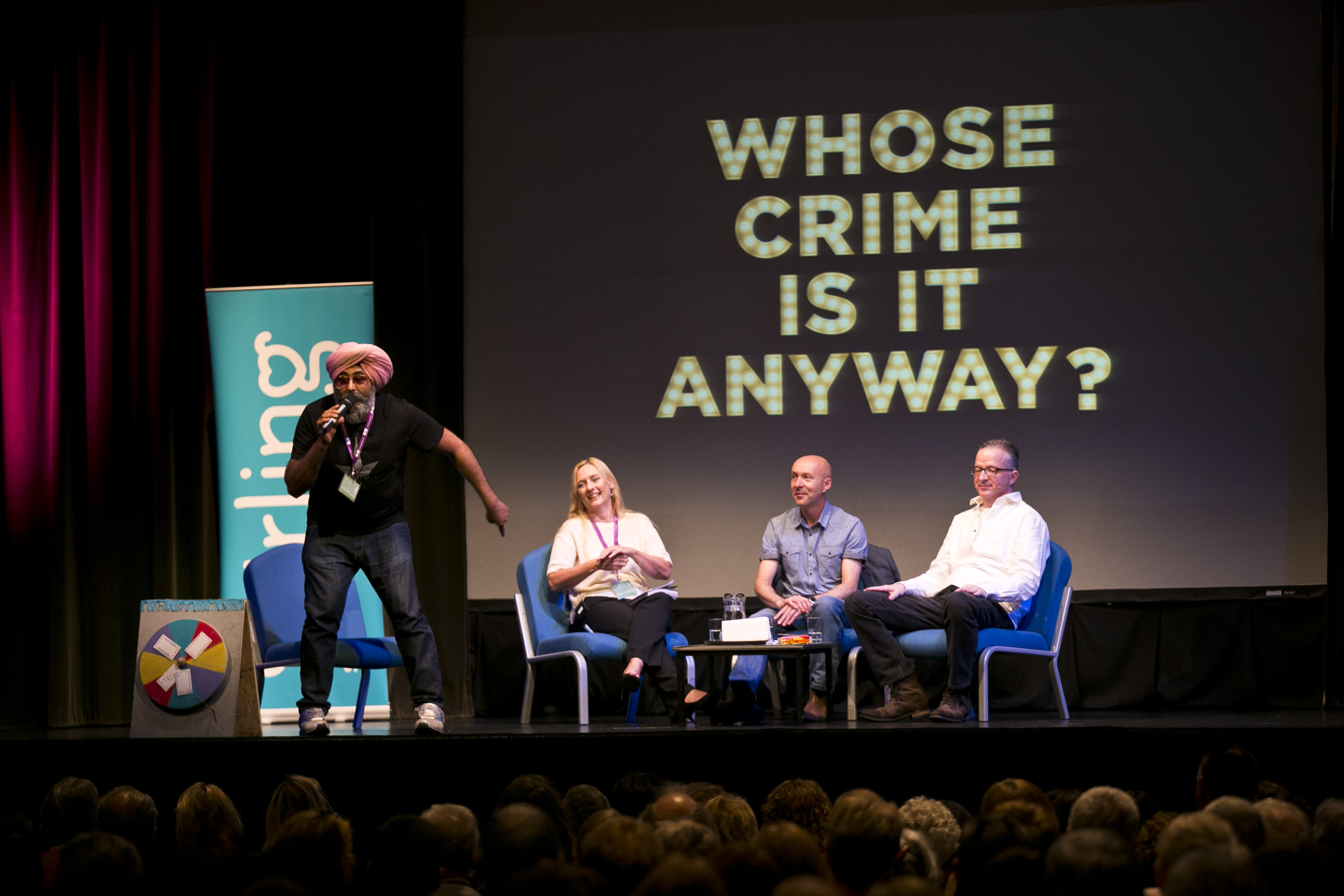
Whose Crime Is It Anyway? (c) Eoin Carey

Whose Crime Is It Anyway? (c) Eoin Carey

The Bloody Scotland Crime Writing Festival is one of those festivals that goes from strength to strength. This year the organising team, led by the ever sparky Dom Hastings, put on a fabulous programme of events from panels to interviews, an awards dinner, a pub cabaret, and a football match – there really was something for everyone. In fact, it was so good it’s taken me a week to recover enough to blog about it!

The weekend kicked off with Val McDermid and Peter May in conversation, followed by Whose Crime is it Anyway? – with TV presenter Hardeep Singh Kohli throwing out the challenges to crime writers Christopher Brookmyre, Kevin Wignall and Caro Ramsay to improvise on the spot. Once the opening events finished, as ever at crime writing festivals, the rest of the evening was spent in the bar at the Stirling Highland Hotel with a glass of wine (or two, or three …).

Scotland v England

Scotland v England

On Saturday, I wasn’t able to get to many events as I was in training for a special performance with The Slice Girls at the Crime in the Coo event later that evening. But I heard great things about the Killer Women panel – Louise Millar, Helen Giltrow, and MJ McGrath – who discussed whether the Woman is deadlier than the Male? The thought provoking Self Publishing session with Alexandra Sokoloff and Allan Guthrie, and the New Crimes panel with debut authors Lucy Ribchester (The Hourglass Factory), Chris Dolan (Potter’s Field), SJI Holliday (Black Wood) and Mark Legatt (Names of the Dead) – which all sound like fabulous reads.

In the afternoon, in a brief pause between practices, I did get along to the Breaking the Law panel which had dynamic law buffs Steve Cavanagh, Neil White and Jeffrey Siger, along with Craig Sisterson, talking about the difference between the law in crime thrillers and crime fact, how they draw on their real life experiences in their writing, and the legal thrillers that they especially admire. After that, it was a quick sprint to get ready for the Crime in the Coo before meeting my fellow Slice Girls for one final practice (more about that on the blog tomorrow!)

(c) Eoin Carey

(c) Eoin Carey

After a late, late night on Saturday, my start on Sunday wasn’t especially early! The first event I got along to was the Thriller panel with Simon Kernick, Tom Wood, G.J. Brown and Mason Cross. In a lively debate they talked locations – whether to visit them or not, and the perils if you don’t, the fun of writing “lone wolf” characters, and about their routes to publication (the key, so they say, is not to let rejection stop you).

Then, with the sky getting darker by the minute, it was a short walk up the hill to the bowling green at Cowane’s Hospital where the Bloody Scotland Crime Writers Football Match: Scotland v England was happening. After Scotland’s convincing win last year there was a lot at stake, and as the game kicked off both teams looked very determined. In a tense game, where the players had to contend with alternating sunshine and pouring rain, the two sides looked pretty evenly matched with goal keepers Luca Veste (England) and Craig Robertson (Scotland) kept busy as both sides battled it out to win.

(c) Eoin Carey

(c) Eoin Carey

At the end of the match, the score was 5-5.

The Scotland goals came from Mark Stanton, Christopher Brookmyre, and Doug Johnstone (3). For England the scorers were Vincent Holland-Keane (2), Col Bury (2) and Howard Linskey. The team captains – Ian Rankin (Scotland) and Simon Kernick (England) held the trophy aloft and then, as the rain got heavier, it was time to trot back down the hill (to the bar!).

The final event of the festival was Literary Agent, Jenny Brown, interviewing bestselling crime thriller writer, Linwood Barclay, who was on his first visit to Scotland. To a packed audience, Linwood talked about his writing career, his latest book Broken Promise – the first of a sequence of three connected stories – and on creating a story with a killer hook. Very interesting and highly entertaining, this was the perfect session to end the festival with. Then it was back to the bar, for one final night, before setting off home the next morning.

Jenny Brown interviewing Linwood Barclay (c) Eoin Carey

Jenny Brown interviewing Linwood Barclay (c) Eoin Carey

Next year the Bloody Scotland Crime Writing Festival runs from 9 – 11 September 2016. If you love crime fiction then you absolutely need to be there – put the dates in your diary and book a hotel, now! Trust me, this is one festival that you won’t want to miss out on.

But, of course, there’s something that I haven’t told you about in this blog post – just what happened at Crime in the Coo on Saturday night.

If you want to know, pop back tomorrow for my “(Not so) Secret Diary of a Slice Girl post. 

In the meantime, here’s a sneaky peep …

The Slice Girls on the bar at The Curly Coo (c) Eoin Carey

The Slice Girls on the bar at The Curly Coo (c) Eoin Carey