CTG Interviews: P D Viner, author of Summer of Ghosts

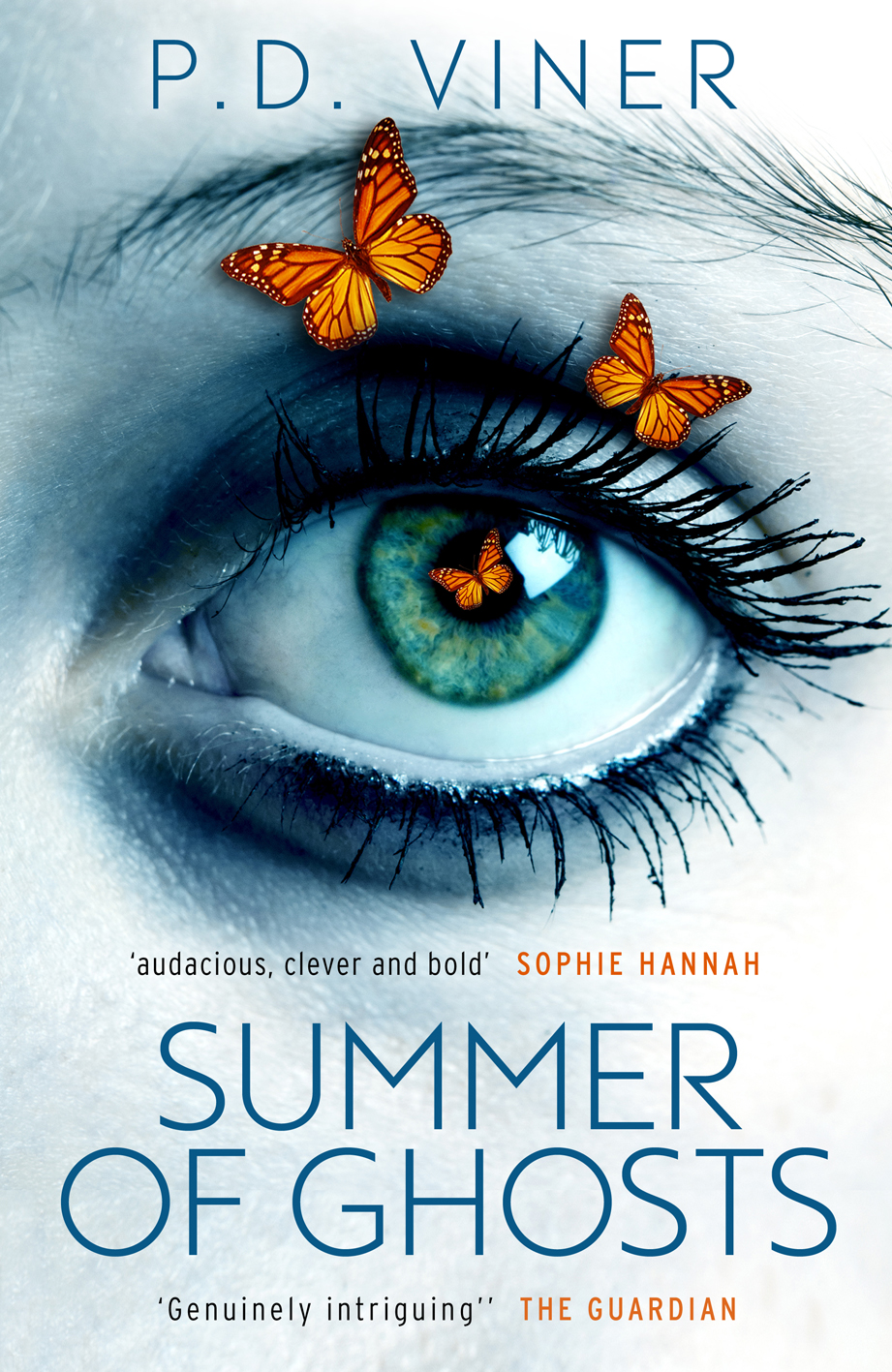
Summer of Ghosts cover image

Summer of Ghosts cover image


Today I’m delighted to welcome author P D Viner – author of the recently published Summer of Ghosts – to the CTG blog. 

So, to the questions …

Your latest book – Summer of Ghosts – came out a few weeks ago. Can you tell us a bit about it?

August was an incredibly busy month as on August 1st my second novella, The Ugly Man was released as a free download and on August 14th the paperback of my first novel, The Last winter of Dani Lancing, came out as well as the hardback of Summer of Ghosts.

So, I want to start by telling you that The Last Winter of Dani Lancing is the story of three people who have been traumatised by violence and left damaged and untethered from life as something happened to the girl they loved. In 1989 Dani Lancing went missing and for 22 years her parents, and the man who loves her, are frozen in their pain and loss. Her mother, Patty, was a crime journalist and she gave up her work to devote all her time to investigating the crime. Jim Lancing, Dani’s father, is left alone except for the spirit (if that is what it is) of his daughter who lives with him – and Dani’s boyfriend, Tom Bevans becomes a policeman as he needs to make up for the fact that he could not protect her. Tom Bevans, who rises to the rank of Detective Superintendent, but who is known to all his colleagues as The Sad Man due to the incredible loss he bears with him, heads up a serious crimes unit that deals with sexually motivated murders of young women. These three characters, the trinity of the pained, are all haunted by what happened to Dani in some way, they are all paralysed by their grief for 22 years. Then, out of the blue, a clue is revealed – something that could reveal what happened to her all those years ago. But it leads all three of them back down into the hell of Dani’s death… they will discover the truth of her death but it is at a great cost.

Summer of Ghosts (Hardback out Aug 14 2014) continues the story six months after the first novel. Jim and Patty are dealing with the truth of Dani’s final days (spoilers) but Tom has had a kind of breakdown. For six months he has wallowed in his self-pity and sense of loss – but he has to get back to work as the beautiful skin murderer has returned. Four years before, Tom swore to three mothers he would solve the murders of their daughters… but he failed. Now there may be a fourth victim – the daughter of the man who helped Tom try to find Dani all those years ago. A man called Franco, who also heads London’s biggest drugs gang – a man who is ruthless and cruel, a killer. Together he and Tom must track down the most dangerous man in Europe. Oh and Tom needs the best investigator he knows to help him: Patty Lancing.

Together they follow a train of events that take them from Greenwich to death inside a royal palace in Brighton, to the heart of darkness inside a war in Africa and finally to a showdown with a corrupt policeman and a man who has killed hundreds if not thousands. And, heartbreakingly, there is more about the death of Dani Lancing for her parents to uncover. For them the nightmare will not end.

So, Summer of Ghosts carries the story begun in The Last Winter of Dani Lancing, on a step further but it can be read as a stand-alone thriller without the sense that you are missing something. The plot twists and it is a real page turner, but the intention is also to drag you into the emotional lives of Tom, Patty and Jim. Reviewer and crime writer Stav Sherez said: Summer of Ghosts is strong, assured and with a plot that will poke your heart. I always love fiction that draws you into the lives of the characters – and that is always my intention.


And does Summer of Ghosts end the story for Tom Bevans and Patty and Jim lancing?

No, I have always planned the mystery of Dani Lancing to emerge over three books and there are also four novellas that deepen the understanding of the characters. Two of those novellas are already available as FREE downloads from all good ebook stockists. They are The Sad Man, which is a 110 page book that details the case in 1999 that made Tom Bevans’ career and allowed him to set-up operation Ares – his serious crimes unit that investigates sexually motivated, multiple murders. The second is The Ugly Man (120 pages) and is set in the heatwave of 1976 and has Patty dispatched by her newspaper to a sleepy Derbyshire village to investigate a brutal murder – and it leads to her uncovering thirty years of secrets and lies.

Next year the cycle of stories will be concluded by a third novel and two more novellas. It will not be the end of the line for Patty or Tom but will conclude this story. I have always loved linked books and while each one can be read alone, if you do read them as a set, then the tension does build and build. I hope when they are all done that my publisher will release a box set or a single volume collection with the novellas fitted in between the novels as I intend them to be read… that will be very exciting.
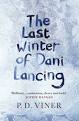
The Last Winter of Dani Lancing cover image

The Last Winter of Dani Lancing cover image


Summer of Ghosts examines some strong themes including loss and grief. What was it that sparked the inception of the story – the characters or the plot (or something else)? 

When I began writing The Last Winter of Dani Lancing (then titled Three Drops of Blood), I had not thought about going beyond that story. TLWODL is dark and full of rage and pain – all the resentment I felt about my business being destroyed (I had a small audiobook company with my sister and we produced audio books of Shakespeare and the classics for GCSE and A level students) in the financial meltdown and the fear I had surrounding being the father to a two-year old when I was unemployed and in my forties… well, all of that was channeled into the book. Grief and just what we will do for love and to revenge ourselves on those who hurt our family – that was the touchstone that set the tone for the first book. As I wrote that story there was a tipping point, and I became so engrossed in the character’s lives that I began to imagine further – where they could go after the big reveal in Durham cathedral – the point where they finally know the truth of Dani’s disappearance and what happened to her. Then I thought: okay, what would happen to Jim and Patty after the truth was finally revealed. Could they stay together now? How did you cope with knowing the truth after twenty-two years of being in the darkness? How would they cope… that was the question, and the same was true for Tom; for him the finale of TLWODL is like a bomb exploding. I had to know more!

And that is one of the things that I often find series of books (and especially crime) gets wrong. The character just resets for the next book and is fine again… and I didn’t want that. I wanted the weight of the truth to sit heavily on my characters (especially as book three is going to beat them down to the essentials of their humanity) because that is life, human beings dwell in bad news, they get depressed and resentful and petty and angry and let stuff fester for months and years.

Summer of Ghosts keeps the sense of loss from the first books, though it becomes skewed as the world view shifts. Firstly we have three girls who have been murdered. We meet them in TLWODL as a background case – in fact we see Tom visiting the murder scene of the third victim – but in this book Tom is haunted by the fact that he failed these girls. We also have a major new character: Franco. Well I say new – actually we did meet him in the first book but he was a minor (though interesting) character then. Now he is the head of a large drugs ring and he wants out. He is a man who has killed many, created destruction everywhere he has gone… but… can he have a good heart? Could he, in some way, have a sense of morality, even if it is skewed and hard for us to see? That was what fascinated me about his life and the world he operated in – a world where violence is everywhere and life is cheap. It is the opposite of the world of the first book where one life is everything and one act of violence has destroyed the lives of Dani, Tom, Patty and Jim.


As a highly successful audio and film-maker, what was it that attracted you about writing fiction?

Success? Ha. As a film-maker I had some early success but after three years trying to make two projects I had written, I gave up and ran away to join the circus. The world of film is so tough and I just folded. I wrote two novels then and they lie under my bed like two deformed children. I feed them raw meat once in a while – but nobody was interested in them. Setting up my audio business was a way of being creative and making a living and working with actors and musicians with achievable budgets. I could direct hamlet with 21 actors and afford to make it and then sell it. They also won awards and got great reviews… but the business relied on library sales and after the financial crisis all libraries slashed their budgets and I was out of a job. I turned back to fiction writing as a way to salve my soul. Also I had a two year old and she needed me to pick her up from pre-school and have her two days a week (my remarkable wife has a real job) and so writing fitted the lifestyle I had. It was crazy to think that this time could get published – and so I didn’t think like that, I just wrote for me and I loved the puzzle of solving this mystery in my head. As it became more complex I had to get cleverer – writing crime is quite addictive you know. So that was that – I fell into an old love due to circumstance and (fingers crossed) this time it worked… as long as I keep killing.


Could you tell us a little about your writing process, do you dive right in, or plan the story out first?

It is somewhere between the two. Of course when I began TLWODL it was all fragmented as I learned how to craft a story over 100,000 words. With Summer of Ghosts, I had an idea of where I was going and I knew the ending – but it was the research process that filled out the bare bones. I spent a few days with the Sussex police – including a night out in a first response unit and with the 999 team – and that propelled areas of the story forward. The truth about being a professional writer as opposed to a part-time hopeful, is that you have deadlines to meet. I had less than 6 months to write Summer of Ghosts and so you have to be better prepared and plan more. That being said, every time I sat down to write the story would take me be surprise in so many ways. With the third book (in my head I am calling it The Fall of Hope) I have spent a day in a Victorian prison and spoken to a charity for victims. I know the broad outline of the book and have two notebooks full of ideas, but over the next 4 months I will write the first draft and it will take on life of its own.


What advice would you give to new writers aspiring to publication?

Write. I did a two-year creative writing course that was excellent and it didn’t teach me to write but it challenged me to flex my writing muscle and try different styles and think about who I was and what I wanted to say. During the course I began the book and at the end of the course I had 67,000 words and I had shared almost all of it with ten people who had helped me grow my characters. Having people you trust to take the journey with you is great – but we all have different circumstances. If you want to get published you have to write a book. Judge your own efforts with a critical eye and don’t be afraid to throw out large swathes. Write and re-write and discover what makes you tick as a writer. Don’t be afraid.


And lastly, what does the rest of 2014 have in store for you? 

Well there are only 4 months left and mostly I will use that to write the first draft of my third novel. As I said earlier the Dani Lancing mystery is 3 novels and 4 novellas, so I also have a novella to edit and a novella to write.

The other creative project, pinging about in my head, is a TV show I have written an extended outline for. This year I sold TV rights for TLWODL to Warner TV. It will almost certainly come to nothing but has been exciting (I do like a conference call with Hollywood) – but during the process I was thinking a lot about crime TV and was approached by a UK production team who also wanted to option Dani. I turned them down, but pitched them a new idea, written specifically for TV. They liked it, so I have written the 5 episode break-down and will make that into a script (in my spare time). It will probably never get made (I find it much easier to be pessimistic about TV and movies) – but I have really enjoyed writing it and I think it is bloody good. Anyway I shouldn’t get bored over the next six months.


A huge thank you to P D Viner for popping over to see us at the CTG blog and letting us grill him. It sounds like he’s going to be busy for good while yet!

To find out more about P D Viner and his books, hop on over to his website at: http://pdviner.com/
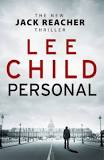
CTG Reviews: Personal by Lee Child

Personal by Lee Child cover image

Personal by Lee Child cover image

What the blurb says: Someone has taken a long-range shot at the French president but failed to kill him. The suspected sniper has serious skills and is a hard man to find. Reacher tracked him down once and put him in jail. Now he’s asked to hunt him again, and put him away permanently.
Tracking the shooter will take Reacher from France to England after a killer with a treacherous vendetta. He’ll need to uncover who did the hiring and what’s behind the assassination attempt before executing his orders.”

As a massive fan of Lee Child’s writing, I must confess that it was a huge thrill and a privilege to get to read an advance copy of PERSONAL.

In PERSONAL – the latest novel and nineteenth in the Jack Reacher series – Reacher spots an advert in the Personals from a military colleague asking him to get in touch. He owes this guy from way back and so Reacher being Reacher, he makes the call and finds himself pulled into a high profile case that threatens international security.

There’s been an attempt to assassinate the French president. The sniper fired from a range of fourteen hundred yards, more than three-quarters of a mile. There are very few people in the world that could have made the shot, and one of them has a bad history with Reacher. Question is, was he the one who pulled the trigger? And, if he was, can Reacher track him down before he tries again at the London G8 summit?

Partnering up with young agent Casey Nice, Reacher follows the trail, taking him from the US to Paris, on to London and back to the US. But with half-truths and bureaucracy at every turn, the inter-agency team remains a step behind their person of interest. With the time ticking away, Reacher takes matters into his own hands – in a way that only he can.

This is a fast paced, action packed story, with all the twists and turns you’d expect from a Reacher novel. Reacher himself is as witty and smart as ever, and a strong mentor for Casey on her first operational mission on overseas soil. And it’s great to see Reacher making a trip across to Europe. I particularly loved the London scenes, and picturing this great anti-hero in locations that I know.

Cinematic and slick, this heart-thumping, page-turning read is a must for all thriller fans.

Highly recommended.


PERSONAL is out today in the UK, Ireland, Australia and New Zealand, and on September 2nd in the US and Canada.

[with big thanks to Random House – Bantam Dell for my copy of PERSONAL]

Guest Blog: Michael Sears talks about storytelling, family and the importance of reading

Michael Sears

Michael Sears

Today, Michael Sears, Edgar-nominated and Shamus-winning author of Black Fridays, drops by the CTG blog to talk about storytelling, family and the importance of reading …

I come from a family of storytellers. There were five children and to get any attention in that crowd, you had better have a good tale to tell. My father left me both his sense of humor and his heart, but it was my mother who fed my love of reading and language.

She was a powerful story teller and still is; it is her voice that is most heard at a family gathering. My cousins tell about a time when she was visiting and in the middle of telling a good yarn, a paper napkin, too close to the dinner candle, burst into flame. Without pausing for as much as a deep breath, or missing a beat in her story, my mother poured her water glass over the conflagration, doused the fire, and wrapped up the whole mess in another napkin. They were all in awe of her.

The various adventures of Freddy the Pig, in a series of two dozen or so books by Walter R. Brooks, introduced to me the idea of character, despite the fact that the few humans in the stories barely spoke. Freddy, Jinx the cat, and the cow, Mrs. Wiggins were all sharply drawn, complex characters with points of view, strengths, and weaknesses that made them distinct. They were talking animals, but they were more human to me than the Hardy Boys, who I could never keep straight. Frank was the older one, right?

One of the many benefits of being an avid reader, is that when your nose is deep in a book, parents think you are working and leave you alone. I was not excused from chores or having to do homework, but they couldn’t insist that I play with my little brother while I was reading.

I remember sometime in high school telling my father that I was reading War and Peace and he asked me, “Why?” “Because it is a challenge,” I answered. “It is the longest book I have ever read.” I don’t remember much of the story, but I do remember that it was very long. It was a challenge.

But a few years later, I was a lifeguard for the summer at a private club on a deserted stretch of Fire Island. The only access was by boat, or a mile hike along the beach from the next club, which was much fancier and had a ferry that ran to it (that was my daily commute). The club would get very busy on the weekends, but there were many days during the week when I was the only person there – all day. I couldn’t shut the beach down unless the weather or surf conditions warranted, so I sat there and read. I read all of Shakespeare that summer. Imagine the thrill it was for me to read aloud Henry V, or Lear, or Prospero, seated on a tall lifeguard’s chair, with the constant roar of breaking waves as background. It was a glorious summer.

I don’t understand writers who claim not to read. Not every reader has a book in them, but every writer must know what has gone before, if only to avoid the most common mistakes. Being a writer, now with two books published and a third due out next year, places me on a great timeline that stretches back for millennia. Like Homer, and the various writers of the tales of Gilgamesh or Beowulf, I am also a bard. A storyteller.

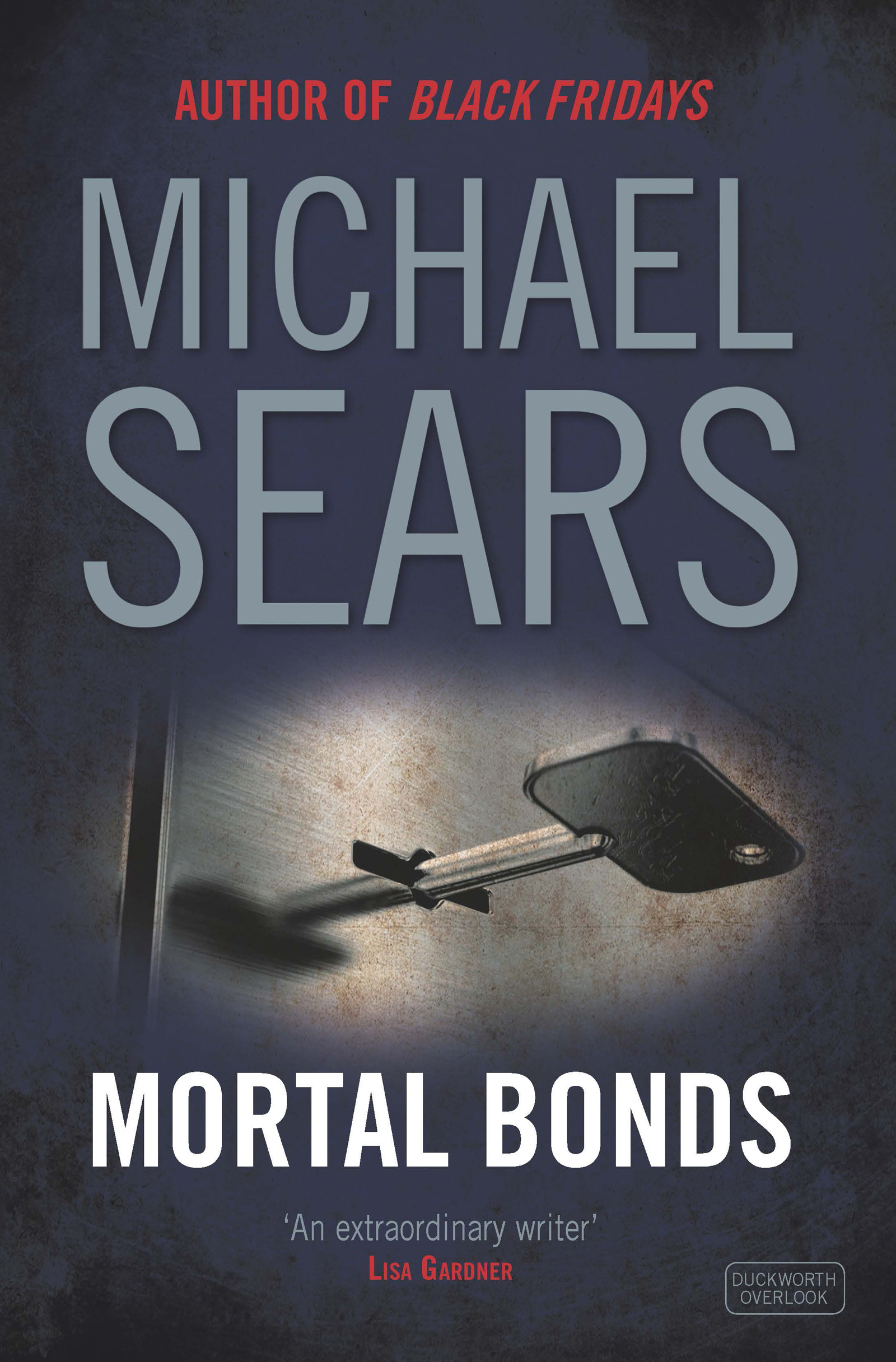
Mortal Bonds cover image

Mortal Bonds cover image

A big thank you to Michael for dropping into the CTG blog today. 

Michael Sears’s Mortal Bonds, the follow-up to Black Fridays, marking the return of financial investigator Jason Stafford in a sensational story of fraud, murder and redemption is out now, published  by Duckworth Publishers.


Re-blog: David Khara stops by to talk about The Bleiberg Project

cover image

cover image

Last year David Khara, author of The Bleiberg Project, dropped by the CTG blog to talk about the launch of his new conspiracy theory action thriller eBook. As The Bleiberg Project – the first in the Consortium Thriller series – has now come out in paperback we thought we’d re-blog the interview and excerpt. 

But, before we get started with the interview, here’s a little taster of the book (please note contains strong language):

Excerpt:

“Besides work and getting high, what do you do all day?”

No answer. You’re out of luck, pal. I’m pig-headed. “The journey will seem shorter if we talk, don’t you think?”

He sighs. “When I’m not on an assignment, I paint.” I can’t help laughing. “You think that’s funny?”

“I’m picturing you on a stool with your palette and brush, gazing at a green valley or a snowy mountaintop. Sorry, but with your look and build, it’s funny!”

“If you’re just going to make fun of me, the trip is going to seem very, very long.” He clams up.

“There’s no harm in a little fun. OK, I’ll stop,” I snort, laughing even louder. Why do giggling fits always hit at inappropriate times?

“What about you? Besides driving home from clubs dead drunk, what do you do?”

Bastard. That’s below the belt. On second thought, I guess I deserved it. “I try to survive. I thought about blowing my brains out, but I’m too much of a coward. So I drink. I smoke like a chimney. Every day, I destroy myself a little bit more.”

“Suicide isn’t a sign of bravery, but of giving up. We all make mistakes. You don’t judge somebody by the number of blows they can give.”

“What do you judge somebody by, Mr Freud?”

“The number of blows they can take.”

His words hit home. “You’ve taken a lot, right?” I ask. A long, long beat.

“More than you can ever imagine.”

Why am I not surprised? This guy’s been around the block. I’d bet my life on it. “How do you do it?”

“Pardon me?”

“Blowing guys away like that. How do you do it?”

“Who said it was easy?” He sighs heavily. A long awkward silence.

(Excerpted from The Bleiberg Project by David Khara. First published in French as Le Projet Bleiberg, ©2010 Editions Critic. English translation ©2013 Simon John. First published in English in 2013 by Le French Book, a digital-first publisher specializing in best-selling mysteries and thrillers from France.).

And now, for the interview …

So David, your new book, The Bleiberg Project, is a thriller with links to World War II. What was it that inspired you to write a novel along that theme?

The whole idea for The Bleiberg Project idea came while I was driving to my office, listening to the news. A pharmaceutical company was doing research on an orphan disease that touched fewer than 100 kids in Europe. A man said that the study was being ended because the budget was 50,000 euros short. I was stunned. These companies make tons of money, amazing profits, and 50,000 euros is a drop in the ocean. When I got to my office, I started looking into the subject and found articles establishing links between Nazi and Japanese scientists during WWII and pharmaceutical companies. I also found information about how Allied governments were interested in the results of immoral and incredibly cruel human experiments. Through my research, I realized the world we live in rose up from the ashes of war, and was built on the corpses of 60 million victims. I wanted to write about it, through entertainment to make it more bearable.

What research do you do to ensure the atmosphere, locations and characters feel authentic?

The answer is pretty easy: 1000 hours listening to survivors, watching documentaries over and over again, and reading biographies. The point was not for me to merely tell the stories. I needed to get in the minds of both victims and criminals. I wanted to be there with them. This inspired many of the characters of the series, even those set in the present day. And everything that happens in the past is, at one point or another, is based on the truth.

Tell us a little about your writing process, do you plot out the story events before sitting down to write, or do you drive right in and see where the story takes you?

It is a very delicate mix of both. I’ve got a few dots I need to link together to get the whole picture. I do not use notes, nor do I write an outline. I know what I’m going to write, and since the novels are built as puzzles with chapters taking us back in time, I have everything in mind before starting. That means I constantly think about it. There is just no day off when I start working. Still, the absence of a written script gives the characters some space to explore unplanned directions. My job is then to make sure they don’t stray too far from the plot and my goals.

How do you organise your writing day: do you have a favourite time and place to write?

My writing day is a well-established ritual. I write in my garden, a cup of coffee on the left side of my computer, and my cigarettes (bad, I know) on the right side. I put sunglasses on, then headphones because I need music to keep me in the mood of each chapter. With that, I’m ready for 6 to 8 hours of intensive writing. I usually work from 10 in the morning to 6 in the evening, with a break for lunch. When I’m not in the mood for writing, I go back to my research.

And what’s next for you, are you planning your next novel, or already well into the writing of it?

The Morgenstern Project, the third book in the Consortium thriller series, was just released in France, so I’m traveling a lot for book signings and interviews. My next novel is planned, and I’ll start writing it pretty soon and it is about time because I’ve had it in mind for three years now and lots of readers ask for it. The Bleiberg Project movie production should move to a new phase soon, which will have a direct impact on my schedule. 2014 will be a very busy year, believe me.

A big thank you to David Khara for dropping by to talk to us. To find out more about David and The Bleiberg Project, you can check out the link below:

Web page: http://www.thebleibergproject.com

The Broadchurch Beacon Blog Tour: The Broadchurch novel by Erin Kelly

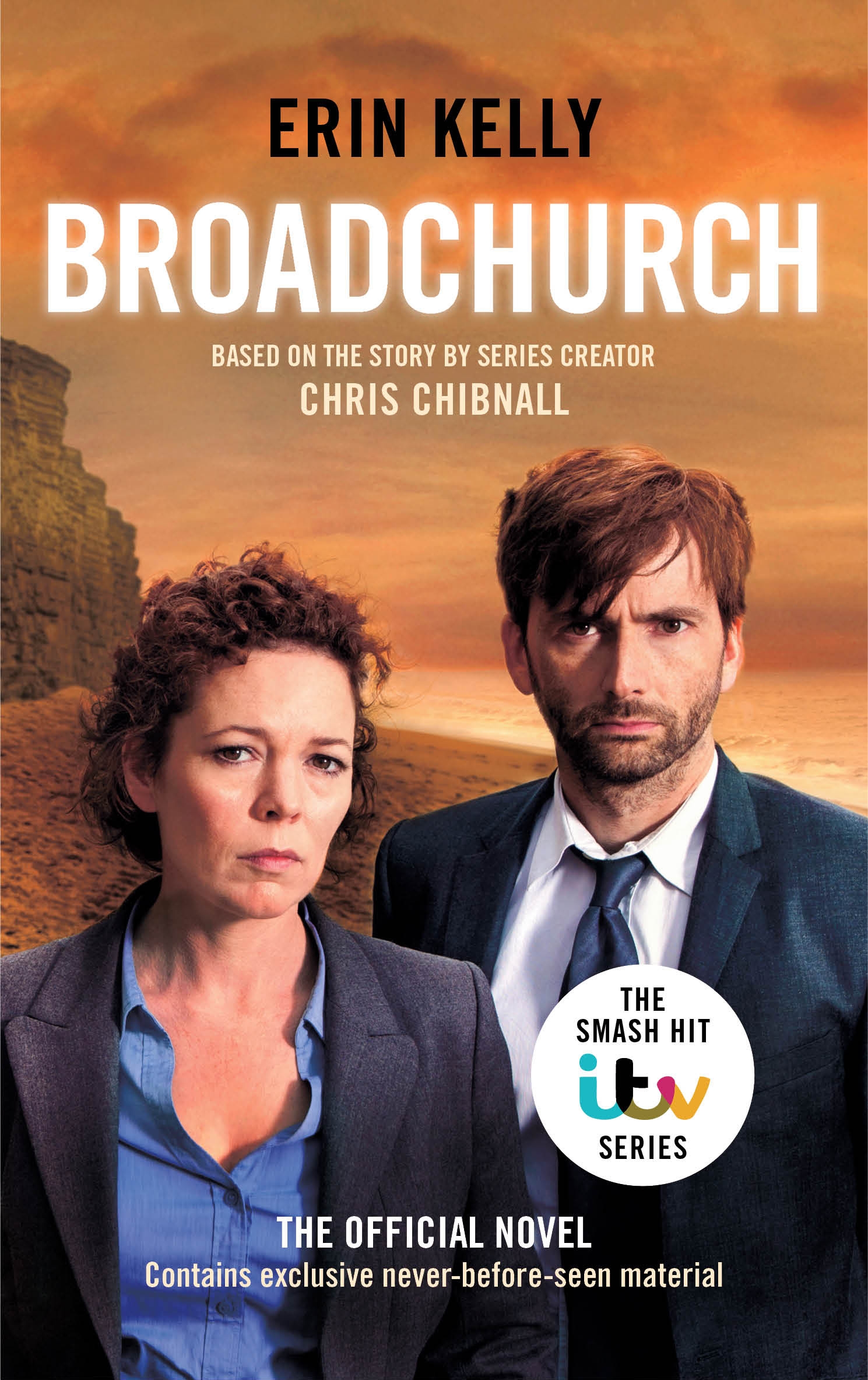
Broadchurch novel cover image

Broadchurch novel cover image

What the blurb says: “It’s a hot July morning in the Dorset town of Broadchurch when Beth Latimer realises her eleven-year-old son, Danny, is missing. As Beth searches desperately for her boy, her best friend, local police officer DS Ellie Miller, arrives at work to find the promotion she was promised has been given to disreputable Scottish outsider DI Alec Hardy.

When Danny’s body is found on the beach Ellie must put her feelings aside as she works with DI Hardy to solve the mystery of Danny’s death. As the case becomes a murder investigation, the news hits the press, jolting sleepy Broadchurch into the national spotlight.

As the town’s secrets begin to unravel, members of this tight-knit community begin to consider those in their midst. Right now it’s impossible to know who to trust …”

I was so excited to get my hands on this hotly anticipated novel.

Inspired by the BAFTA award-winning ITV series created by Chris Chibnall, Erin Kelly has done a fabulous job of capturing the atmosphere and tone of the show in this translation from screen to page.

True to the characters and honest to the story, what the reader gets from the novel is the chance to experience events from inside the heads of the main characters. It’s like seeing the whole thing in HD through a lens angled slightly differently, exploring the characters inner thoughts and emotional battles for a deeper insight into what happened that dreadful July when Danny died.

Told in the present tense, the novel feels immediate and dynamic. The tension arising from the different styles of DI Alec Hardy and DS Ellie Miller vibrates off the page and, as in the TV series, they make for compulsive watching (reading). As the small seaside town of Broadchurch reels from the loss of one of it’s own, and the police (and the journalists) strive to find Danny’s killer, it becomes clear that beneath their smiley exterior some locals have dark secrets in their past that once revealed will change the small seaside town forever.

So, the big question, does the book feel authentic to the characters and the series? Definitely, yes.

And, does it feel like a story and entity in its own right? Absolutely, yes.

Emotive and suspenseful, this is a must-read for fans of the show and crime fiction readers alike.

Highly recommended.


To find out more about the book, hop over to The Crime Vault where you can read an extract: http://www.thecrimevault.com/ebooks/broadchurch/

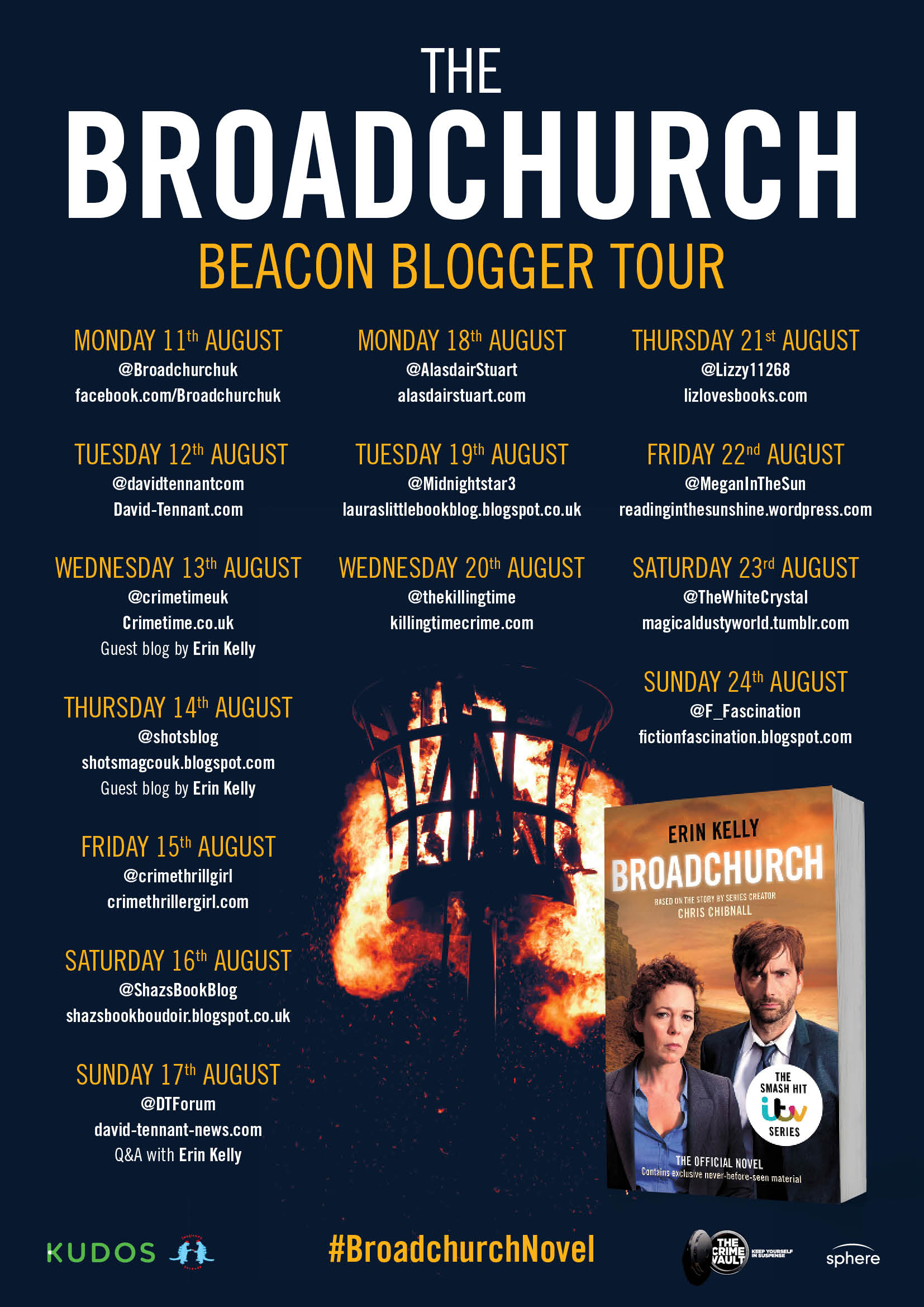
This post is part of the Broadchurch Beacon Bloggers Tour. Check out the other fabulous tour stops here:

Broadchurch Beacon Blog Tour poster

Broadchurch Beacon Blog Tour poster

CTG Reviews: The Inside Man by Jeff Abbott

The Inside Man cover image

The Inside Man cover image

What the blurb says: “Sam Capra’s friend Steve has been murdered, shot dead in the rain outside of his Miami bar. The only lead: a mysterious, beautiful stranger Steve tried to protect. To avenge his friend, Sam goes undercover into the Varelas, one of Miami’s most prominent and dangerous families.

Now on the inside, playing a part where one wrong move means death, Sam faces a powerful, unstable tycoon intent on dividing his business empire between his three very different children, who each may hold murderous secrets of their own.

Sam is relentlessly drawn into this family’s intense drama, amplifying painful echoes of his own shattered relationships as a son, brother, father, and husband. And just when he thinks he understands why the family is self-destructing, he discovers a lethal secret so shocking that the Varelas cannot let him walk away alive . . .”

As you know, I love a good action thriller and The Inside Man, book three in the Sam Capra series, doesn’t disappoint. There’s plenty of seat-of-your-pants action in this high energy, high stakes thriller.

When Sam Capra’s old friend Steve Robles is shot and killed outside a bar in Miami as he tries to protect his client – Cordelia Verela – Sam can’t just stand by and let justice go unserved. Risking his own safety and the wrath of his employers, Sam sets out to find out who murdered his friend, and in doing so becomes embroiled in the lives of the hugely wealthy and extremely dangerous Varela family.

But what at first appears to be an old-fashioned family feud soon is revealed to be a whole lot more. Determined to avenge his friend, and get Cordelia to safety, Sam follows the evidence and digs deeper into the smuggling myths about the family’s criminal connections.

As the body count rises, and Sam becomes a target, he discovers a much darker secret hidden inside the core of the family’s history. Question is, will he live long enough to tell the tale?

The story hurtles along with the gas pedal pressed firmly to the floor, following Sam as he seeks out the truth and vows to bring the killer of his friend to justice. There are plenty of twists and turns, and a cast of highly suspious and potentially criminal characters, that combine to keep you guessing over the identity of who it was behind Steve’s murder.

With plenty of slick action sequences, chases, and fight scenes – and a smuggling technique that’s highly unusual and, for a moment, made me think the story was taking a sci-fi turn – this pacey, race-against-time thriller makes for a great summer read.

Highly recommended.


[I bought my own copy of The Inside Man]

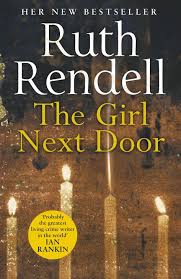
CTG Reviews: The Girl Next Door by Ruth Rendell

The Girl Next Door cover image

The Girl Next Door cover image

What the blurb says: “When the bones of two severed hands are discovered in a box, an investigation into a long buried crime of passion begins. And a group of friends, who played together as children, begin to question their past.

‘For Woody, anger was cold. Cold and slow. But once it had started it mounted gradually and he could think of nothing else. He knew he couldn’t stay alive while those two were alive. Instead of sleeping, he lay awake in the dark and saw those hands. Anita’s narrow white hand with the long nails painted pastel pink, the man’s brown hand equally shapely, the fingers slightly splayed.’

Before the advent of the Second World War, beneath the green meadows of Loughton, Essex, a dark network of tunnels has been dug. A group of children discover them. They play there. It becomes their secret place. Seventy years on, the world has changed. Developers have altered the rural landscape. Friends from a half-remembered world have married, died, grown sick, moved on or disappeared. Work on a new house called Warlock uncovers a grisly secret, buried a lifetime ago, and a weary detective, more preoccupied with current crimes, must investigate a possible case of murder.”

Ruth Rendell is one of the UKs most successful crime writers. Her first novel, From Doon With Death, was published in 1964, and since then her readers have grown steadily with every new book. In 1996 she was awarded the CBE and in 1997 became a Life Peer. In 2013 she was awarded the Crime Writers’ Association Cartier Diamond Dagger for sustained excellence in crime writing.

Published this week, her latest book, The Girl Next Door, begins with the discovery of a crime: a pair of severed hands clasped together – one male, one female – are found in a tin box beneath a new build. The discovery leads to a group of childhood friends who’d drifted apart reuniting. It also sets off a course of events that lead to the rekindling of lost love and forgotten friendships for some, and to death for others.

This gentle-paced story has a large cast of characters, the majority of whom are over the age of seventy. It’s an unusual crime book in that although it starts with the crime and ends with the crime, the solving of the crime is almost incidental, with the main focus being on the interconnections between the group of childhood friends, now in their twilight years, and the adults who influenced their lives (not always in a good way). It shows how attitudes, especially to sex and marriage, have changed during their lifetime, and how the things hidden away in your past can shape your present and come back to haunt you when you least expect it.

The reader is aware of the murder, and the identity of the murderer, from the outset. I found that even though the overworked police and the people in the community seemed generally unconcerned about uncovering the killer (if they were still alive) I kept turning the pages because I, as the reader, complicit in my knowledge of what had happened and who had done it, wanted to see the killer brought to justice.


[with thanks to Hutchinson for my copy of The Girl Next Door]

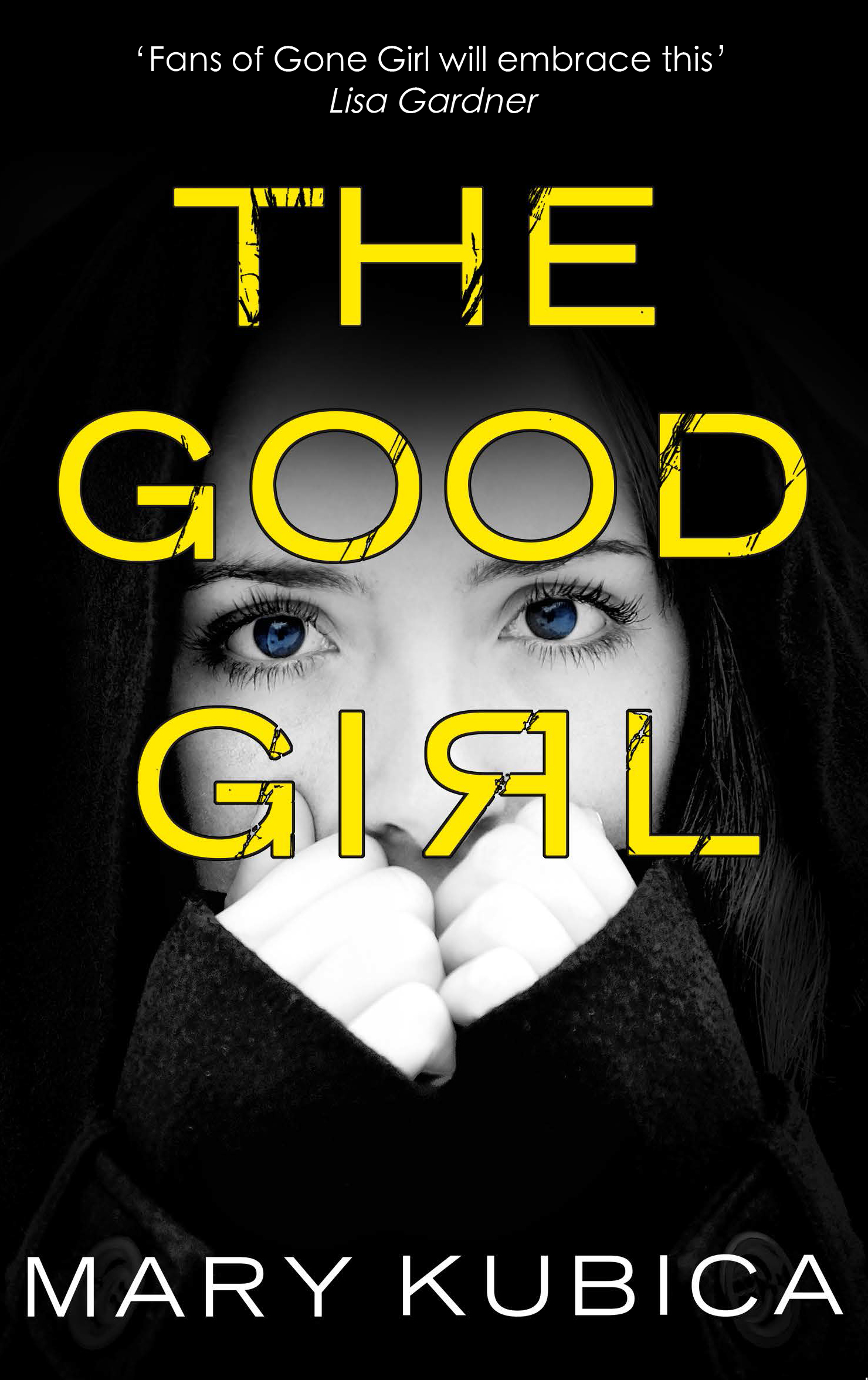
CTG Reviews: The Good Girl by Mary Kubica

The Good Girl cover image

The Good Girl cover image

What the blurb says: “I’ve been following her for the past few days. I know where she buys her groceries, where she has her dry cleaning done, where she works. I don’t know the colour of her eyes or what they look like when she’s scared. But I will.

Mia Dennett can’t resist a one-night stand with the enigmatic stranger she meets in a bar. But going home with him might turn out to be the worse mistake of Mia’s life …”

This spellbinding debut thriller uncovers just how many dark secrets can be hidden behind a perfect family image. Schoolteacher, Mia Dennett, turned her back on her family’s extravagant lifestyle to work as an inner-city teacher and make her own way in the world. But when her boyfriend stands her up one time too many, a spare-of-the-moment decision to go home with the smooth and attractive Colin has horrifying consequences for more than just Mia.

Told through three main viewpoints – the mother, Eve, the kidnapper, Colin, and the cop, Gabe – each character shows the reader a different perspective on the events, and on Mia, leading up to, during and following the kidnapping.

It’s really hard to write about this story without giving anything away (and, trust me, you don’t want me to do that). What I will say is that with the different time-points told out-of-sequence, the story gradually builds the tension to the max as the details of what happened to Mia are uncovered. It’s a complex tale of deceit, jealously, fear, and love played out against the bustling, bright lights of Chicago and the frozen, unforgiving landscape of rural Minnesota in winter.

I found this artfully crafted story brutal at times, and yet so beautiful that it made me cry (and I can’t remember the last time a story did that). A stunning debut.

Highly recommended.


[with thanks to Harlequin MIRA for my copy of The Good Girl]

CTG Reviews: Blackbird by Tom Wright

Blackbird cover image

Blackbird cover image

What the blurb says: “The day after a terrible storm, electricity still crackling in the air, a woman is found dead on the outskirts of a Texan town. She has been brutally attacked and nailed to a cross.

The victim is Dr Deborah Gold, a psychologist who has taken a lot of people’s secrets to her grave.

Which means a lot of suspects for Detective Jim Beaudry Bonham to investigate. And lately he could use some psychological help himself …”

Set in a small Texan town, this gritty and uncompromising thriller follows Detective Jim Bonham, or Biscuit as he’s known to his friends and family, as he tries to unpick the truth behind the brutal killing of Dr Deborah Gold.

With a nod to the supernatural, Jim follows both the evidence trail and his own visions and hunches. But as he discovers more about the dark deeds Deborah Gold had been involved in, he finds his own buried emotions about recent and past losses return to haunt him.

The atmospheric setting of this novel is both hauntingly eerie and colourfully vivid. Wright has created a cast of unique, larger-than-life characters: from the determined and slightly clairvoyant Jim Bonham, to his no-nonsense colleague Mouncey, his wife Jana (with whom his relationship is decidedly sticky) and the girls. Even Jim’s good companion cat, Mutt, has one hell of a personality.

Rich with beautiful prose and lyrical dialogue that I found highly reminiscent of the late, great Elmore Leonard, this book was a treat to read. Heart-wrenchingly compelling, and hard to put down, the story events draw you into Jim Bonham’s world and have you rooting for him to find the killer of Deborah Gold, and the answers to the questions that have haunted him for so long.

Highly recommended.


[with thanks to Cannongate for my copy of Blackbird]


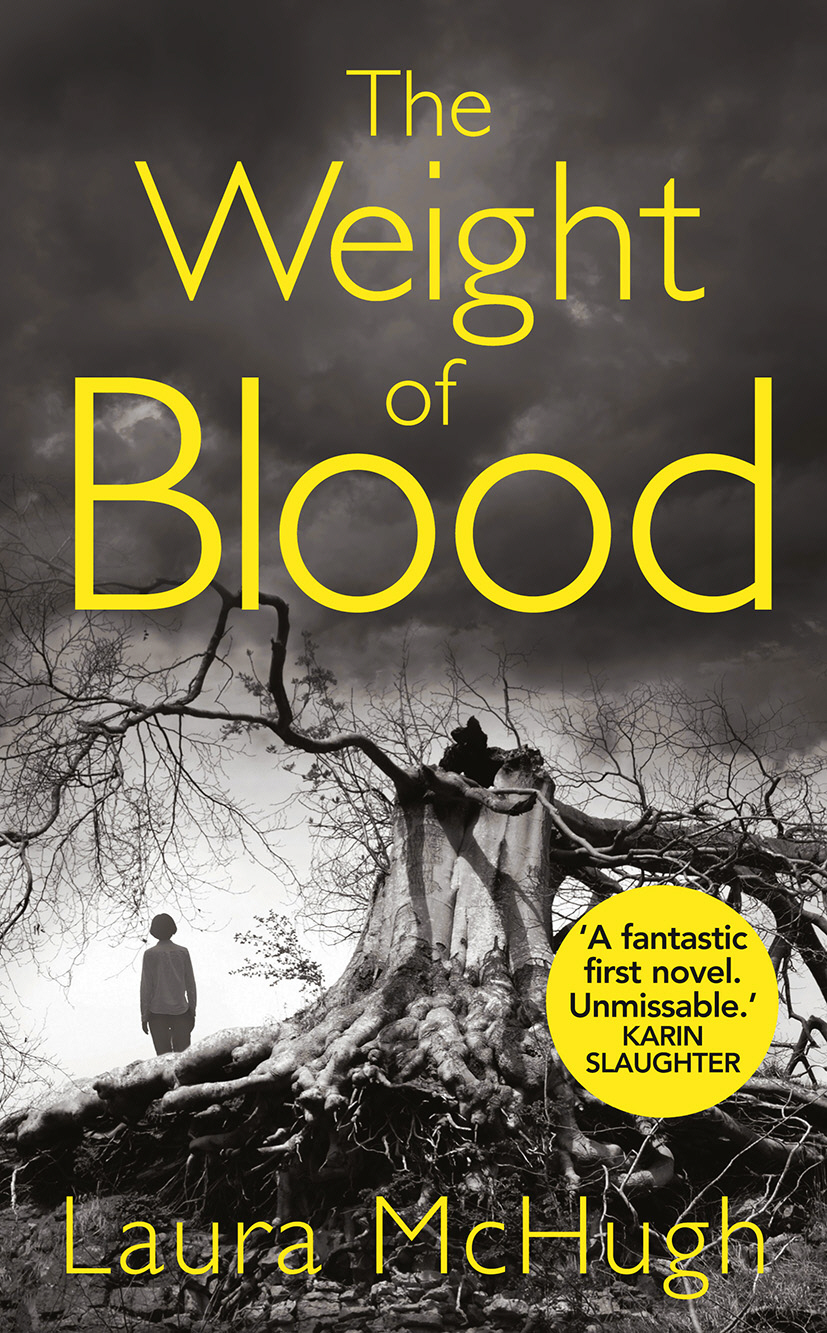
Guest Post: Laura McHugh author of The Weight of Blood

The Weight of Blood by Laura McHugh, published in hardback by Hutchinson at £14.99

The Weight of Blood by Laura McHugh, published in hardback by Hutchinson at £14.99

Laura McHugh’s debut psychological crime novel came out earlier this month and is gathering rave reviews. Today I’m pleased to welcome Laura to the CTG blog to tell us a bit about the true crime small town justice that inspired her to write the book …

In The Weight of Blood, the people of Henbane are more likely to cover up crimes than report them to the law, and that’s a common occurrence in some of the small, tight-knit, rural Ozark communities where everyone knows—or is related to—everyone else.

One well-known example took place in the nearby town of Skidmore, Missouri. Ken McElroy was the town bully, and he’d gotten away with a number of serious crimes, including assault, arson, burglary, and shooting the elderly town grocer. The townspeople had had enough, and they decided to take action. They gathered on the main street with their guns, and McElroy was murdered in broad daylight in the middle of town, in front of dozens of witnesses.

No one called an ambulance. Not a single person ever spoke up to say who had killed him. Every witness claimed that they did not see anything, and no one has ever been charged in connection with McElroy’s death.

A huge thank you to Laura for dropping by the blog to talk about the shocking real-life event that influenced her to write The Weight of Blood and create the fictional small town of Henbane where the story is set.

The Weight of Blood is out now. It’s gripping, packed with suspense and set in an isolated community where family lies and dark secrets hide.

Here’s the blurb: “People still whisper about Lucy Dane’s mother who vanished years ago from the town of Henbane, deep in the Ozark mountains. When one of Lucy’s friends is found murdered, Lucy feel haunted by the two lost women: by the mother she never knew, and the friend she couldn’t protect. But her search for answers, in a place where secrets are easily concealed, leads her to a chilling discovery. And with this revelation, she must grapple with the meaning of family, the secrets we keep, and the lengths we will go to protect the ones we love.”

The Weight of Blood by Laura McHugh is published in hardback by Hutchinson, priced £14.99.

To find out more about Laura, pop on over to her website at http://www.weightofblood.com